
Dissemination
CIAC researcher curates ROOTS 2026 in Lagos
Mirian Tavares, a researcher at the Centre for Research in Arts and Communication (CIAC), is curating the 2026 edition of ROOTS, an artistic project organised by LAC – Laboratório de Actividades Criativas. Under the theme “Territórios Íntimos – Paisagens Pós-coloniais“, the artistic residency runs from 8 to 20 November in Lagos and culminates in a group exhibition opening at LAC on 21 November at 18:00.
The residency brings together four artists from different countries: Gisela Casimiro (Guinea-Bissau), R. Gritto (Portugal), Samuel Macedo (Brazil) and Yuran Henrique (Cabo Verde). Working across different artistic practices and media, the artists explore the idea of territory beyond its physical borders. Their work brings individual and collective memories into dialogue with the traces of colonial legacies, offering different perspectives on history, identity and how people relate to the places they inhabit.
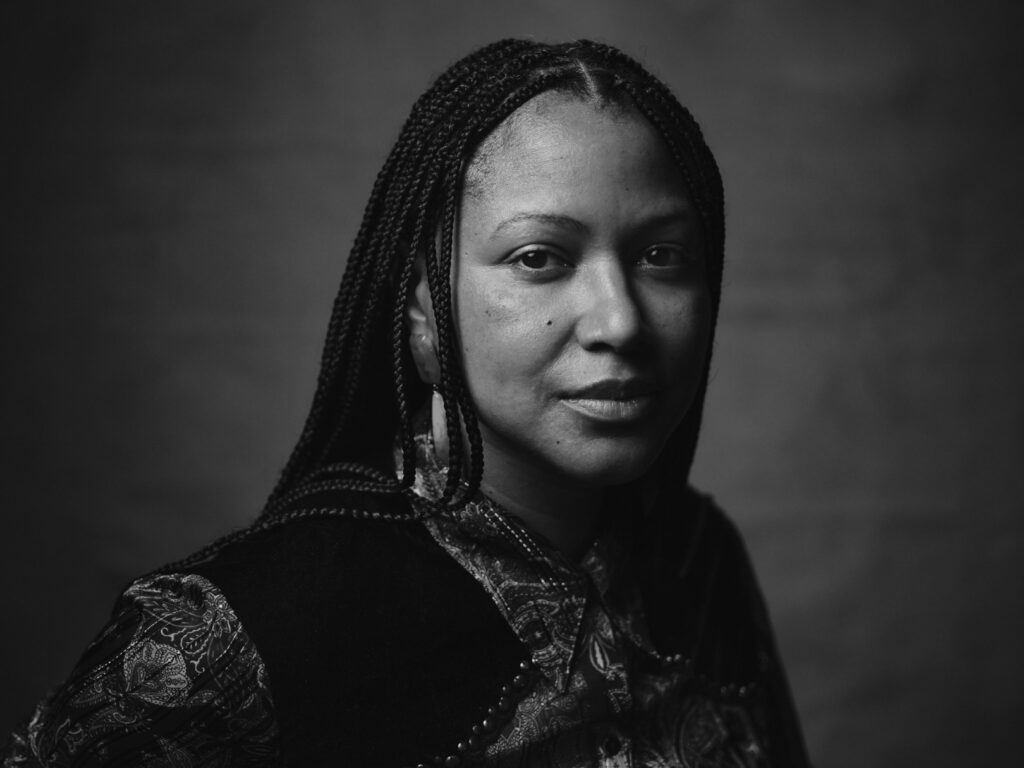
Gisela Casimiro, born in Bissau in 1984, is an artist, writer, translator and activist. She is the author of Erosão, Giz and Estendais and wrote the screenplay for the film Speransa. She translated Audre Lorde’s Sister Outsider and The Cancer Journals into Portuguese. Her work has been exhibited at venues including Galeria Zé dos Bois and the Museu Afro-Brasil Emanoel Araújo and is held in the António Cachola Collection. She is a co-founder of UNA – União Negra das Artes. More about Gisela Casimiro.
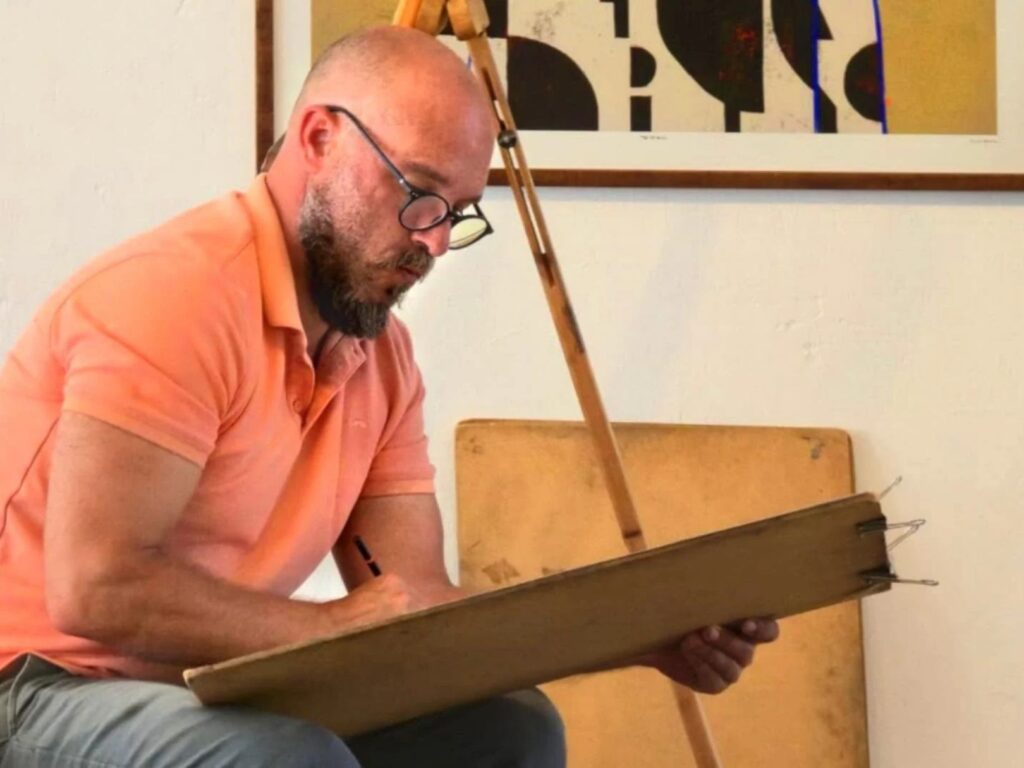
R. Gritto is the artistic name of Ricardo Moreira da Silva, a Portuguese author and researcher born in Porto. With an international career, he brings artistic practice and scientific research together in projects such as Arquivo Vivo, Movimento Inverso and Jardim Expandido. His work explores connections between memory, territory, migration and identity, alongside questions of ecology and technology. In the context of ROOTS 2026, his work considers how memory changes and continues to shape the present. More about R. Gritto.
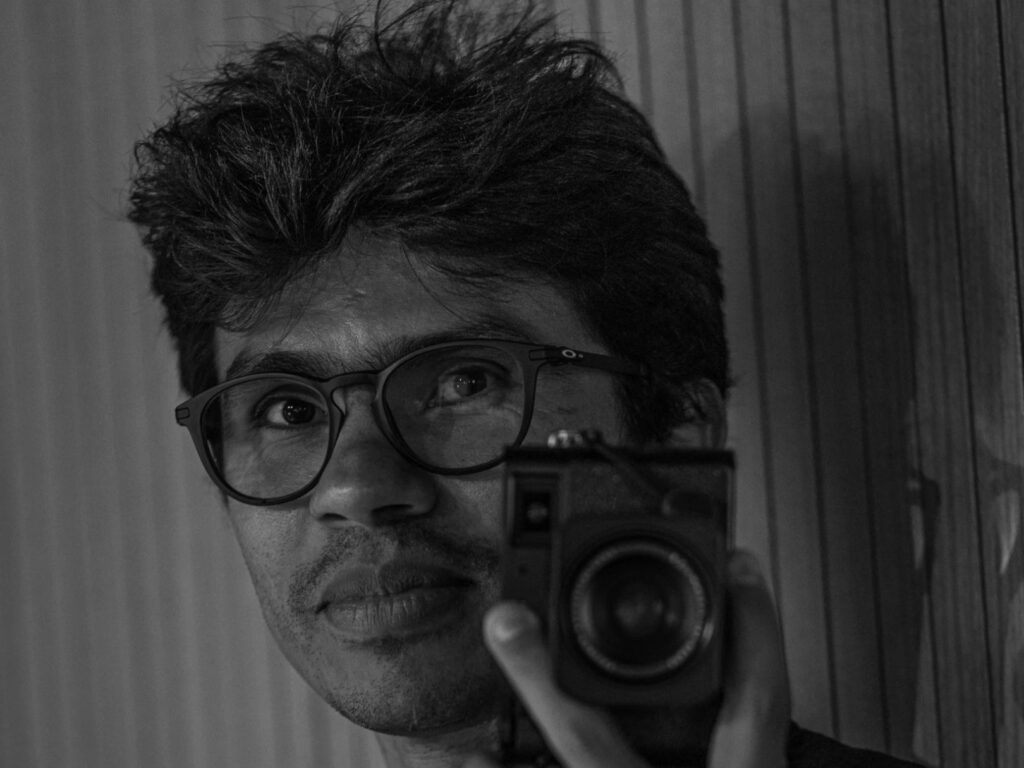
Samuel Macedo, a Brazilian photographer and musician, began his training at the Fundação Casa Grande – Memorial do Homem Kariri in Nova Olinda, in the state of Ceará. His approach to portraiture took shape in the Cariri region through encounters with traditional healers, masters of reisado and singers, whom he calls “artists of the sertão”. Combining ethnographic observation with poetic expression, his photography turns to the margins and to forms of knowledge that rarely receive attention, capturing fleeting gestures. More about Samuel Macedo.
Yuran Henrique lives and works between Cabo Verde and Spain. His practice spans sculpture, painting, photography and installation. Using materials such as fabric, steel and pigments, he explores perception and representation through shifts in scale, illusions and juxtapositions of everyday objects. In 2022, he joined Ásíkó’s programme for artists and curators in Lagos, was recognised by Africa No Filter through its Emerging Artists Fellows programme and collaborated with designer Ângela Brito to adapt his paintings into prints for a São Paulo Fashion Week runway show. More about Yuran Henrique.
The accompanying programme includes the conference “Tráfico Humano: O que não vemos”, which takes place on 15 November at 16:00 at the Museu de Lagos – Núcleo Dr. José Formosinho, in partnership with the Museu de Lagos. The session brings together Luísa Correia, an inspector with Portugal’s Judiciary Police, Paula Cardoso, a journalist, and Daniel Matos, a choreographer and performer, to discuss human trafficking from different perspectives. More about the conference.
The exhibition“Territórios Íntimos – Paisagens Pós-coloniais“, presents works developed during the residency and remains on view at LAC until 19 December. During the exhibition, LAC’s Education Service will run activities for school communities. The programme also includes three film screenings curated by Mirian Tavares, taking place on 3, 4 and 5 December at 18:00 at LAC.
In April and May 2027, the exhibition will travel to CAPC – Círculo de Artes Plásticas de Coimbra in Coimbra and CAAA – Centro para os Assuntos da Arte e Arquitectura in Guimarães.
Esta publicação também está disponível em: Portuguese (Portugal)