
Over the past fifteen years, New Cinema History has emerged as a major framework for understanding cinema beyond questions of aesthetics and film production. This approach examines cinema as a sociocultural practice, focusing on exhibition venues, programming patterns, audience experiences and memories, and reception processes within specific geographical and historical contexts. It highlights the importance of understanding cinema not only as a cultural product but also as a social institution embedded in local communities.
Project Objectives
Despite the significance of cinemagoing in the cultural life of the Algarve throughout the twentieth century, the social and cultural history of film exhibition in the region remains largely unexplored. This project seeks to address this gap by identifying, documenting, and georeferencing cinema venues that operated in the Algarve during the twentieth century, while also collecting oral testimonies that preserve the memories and lived experiences associated with cinema attendance.
The project aims to investigate the role of cinemas as spaces of sociability, cultural engagement, and urban transformation, analysing their contribution to everyday life and to the development of Algarve towns and cities. At the same time, it seeks to contribute to the broader historiography of Portuguese cinema by documenting and safeguarding an important dimension of the country’s intangible cultural heritage through the production of original research and the public dissemination of its findings.
Research Strands
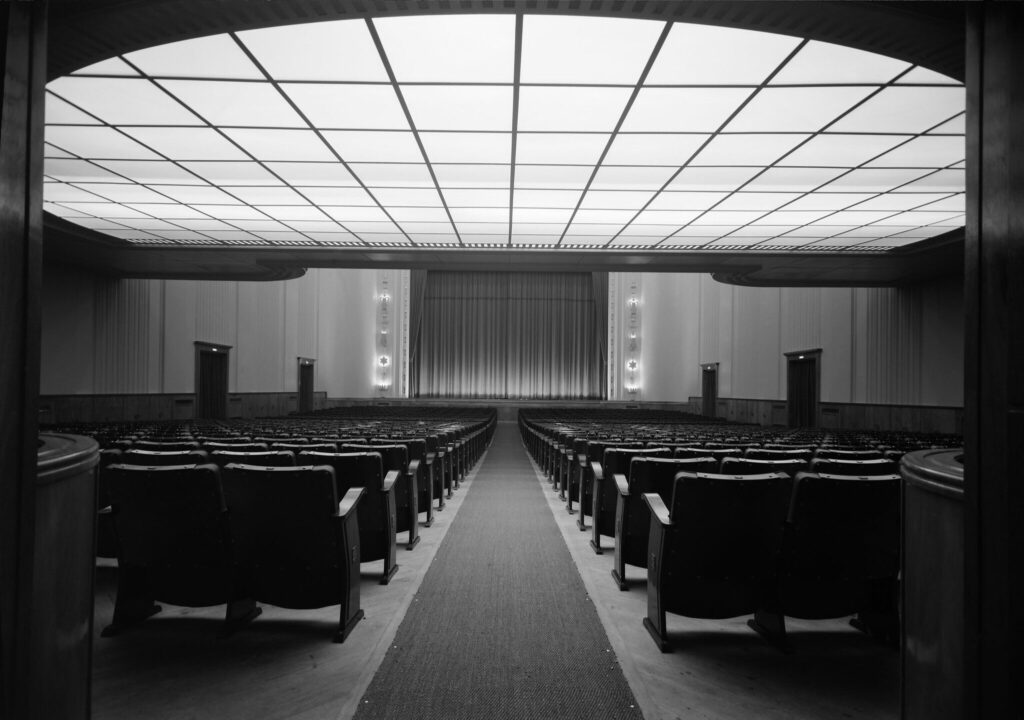
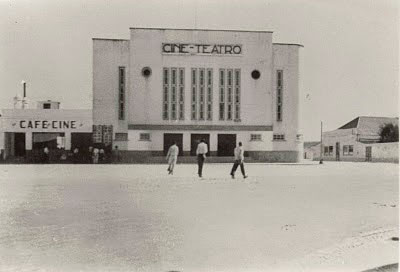
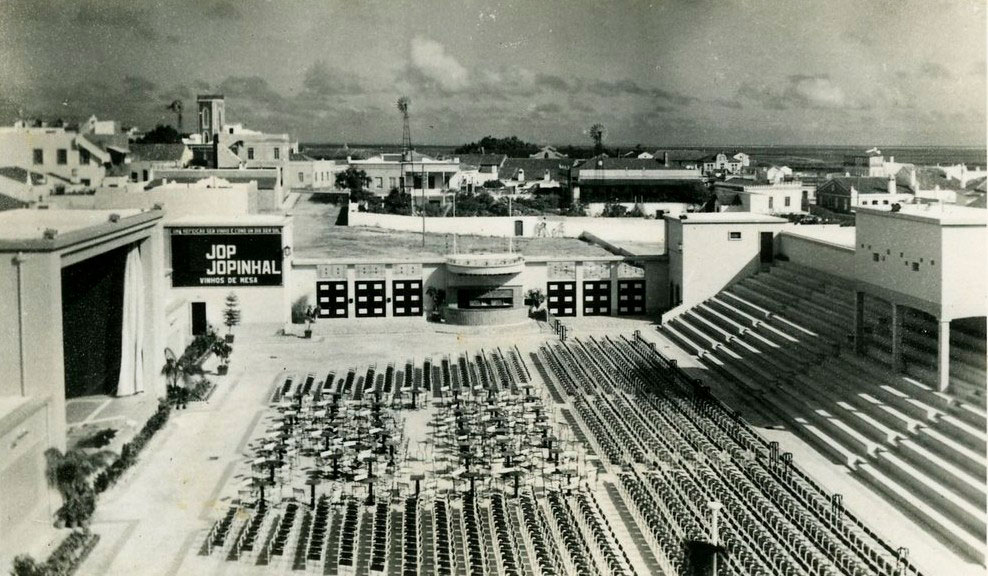
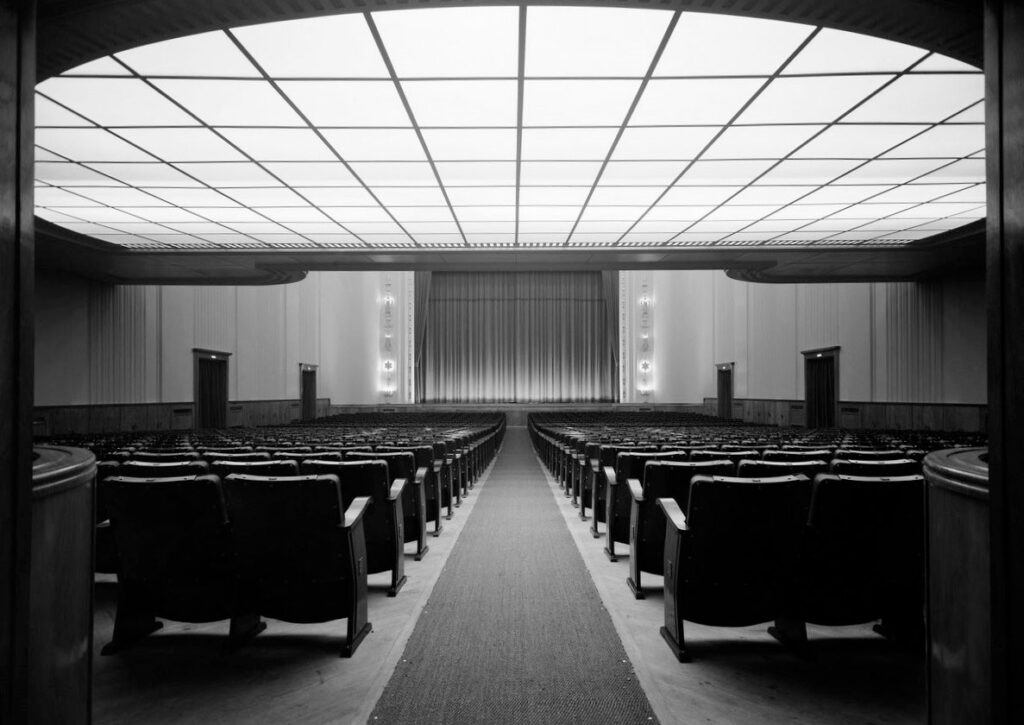
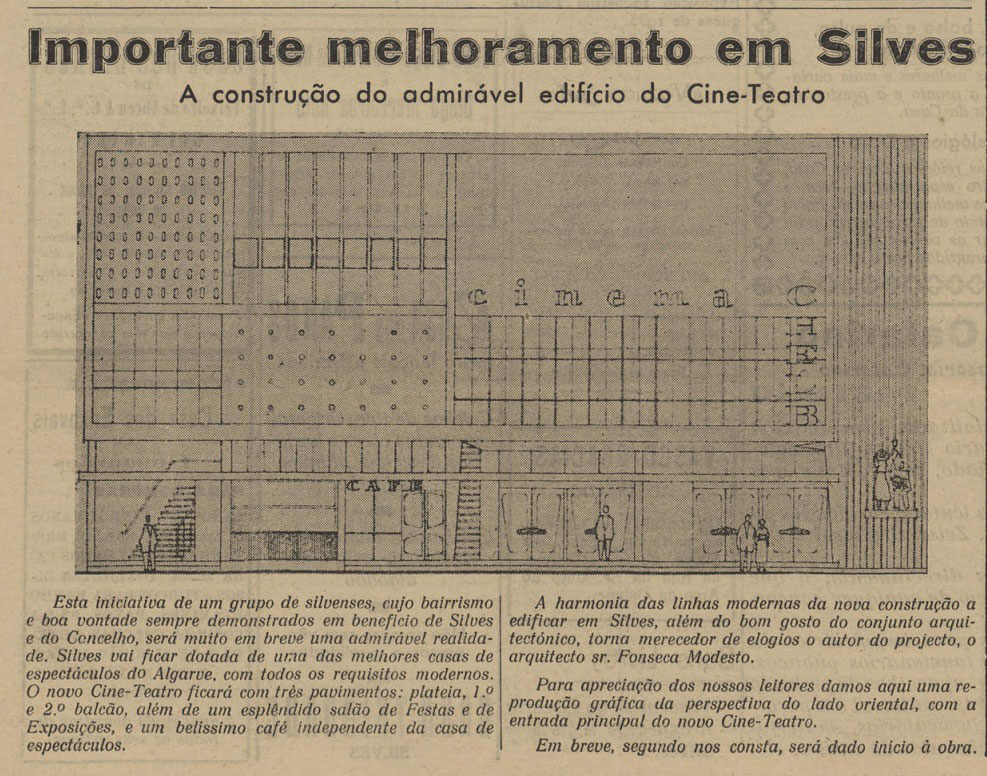
- Architecture and Urban Space: This strand examines cinema theatres, purpose-built cinemas, and open-air cinema venues as architectural and social spaces, exploring their role in shaping urban development and community life across the Algarve.
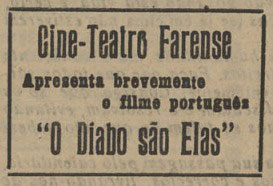
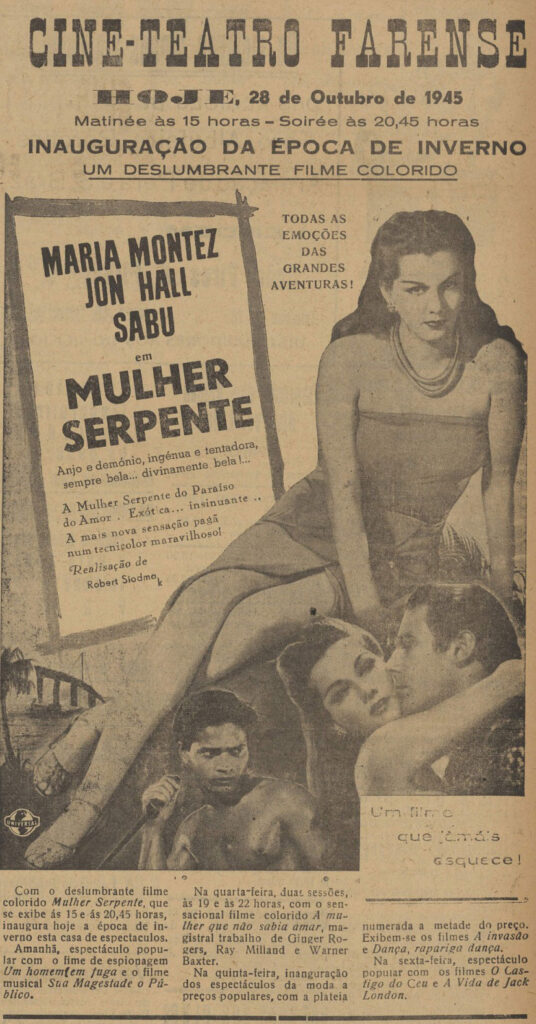
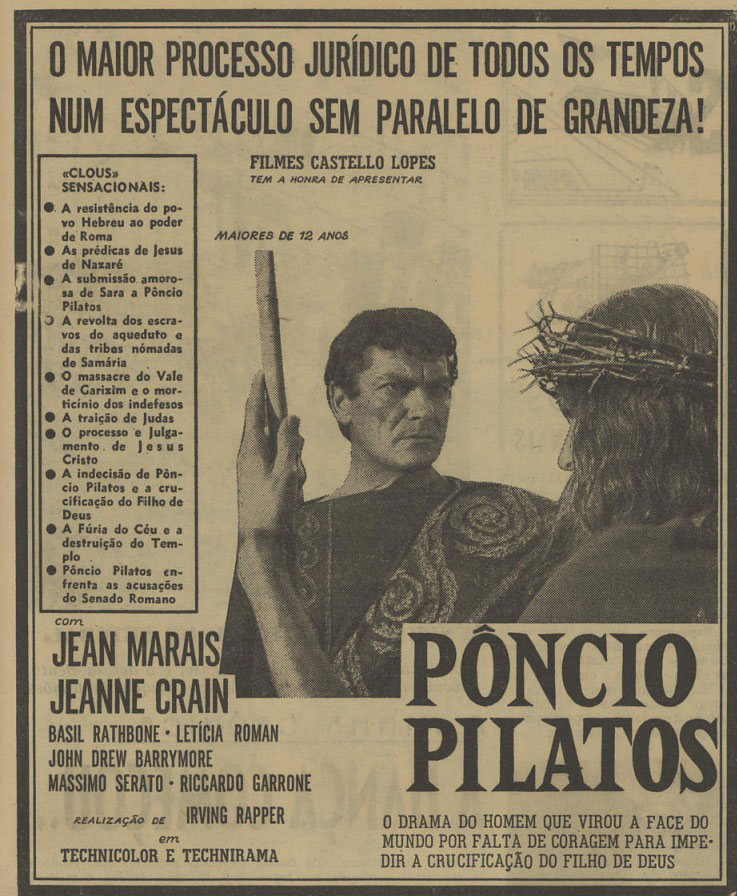
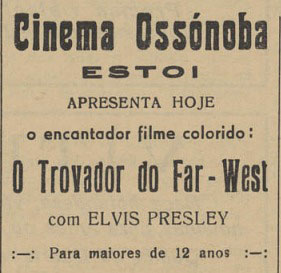
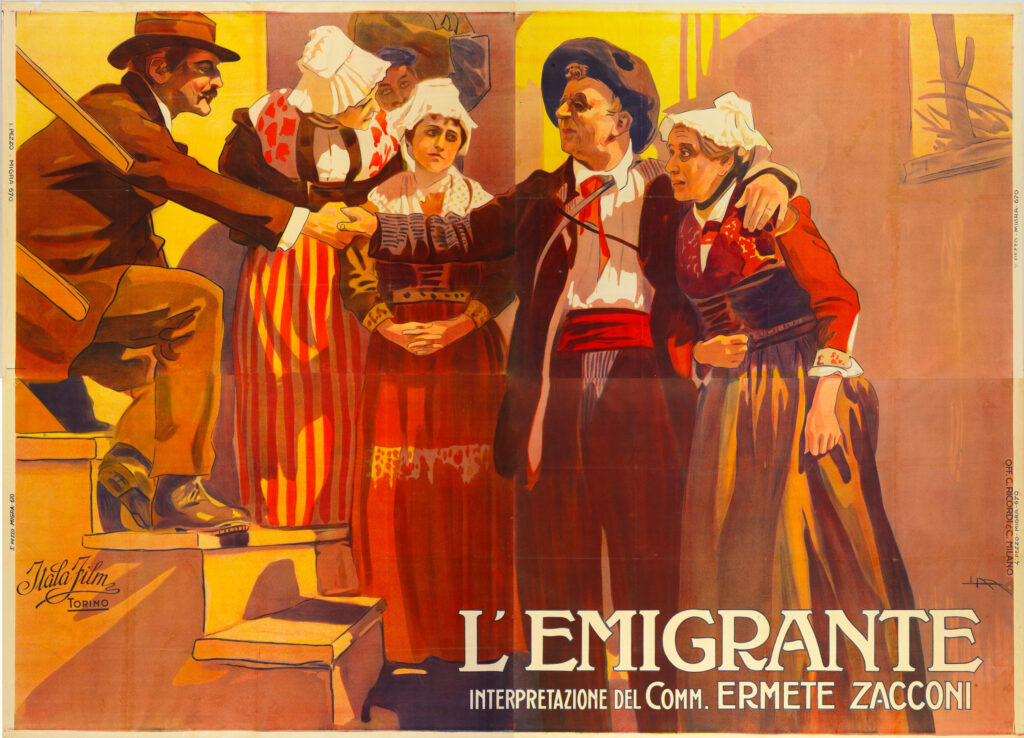
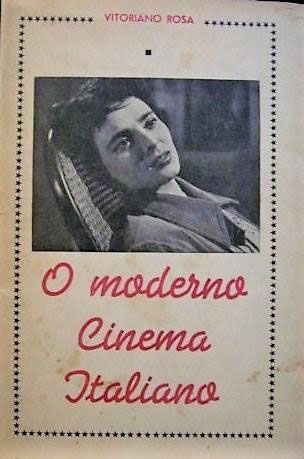
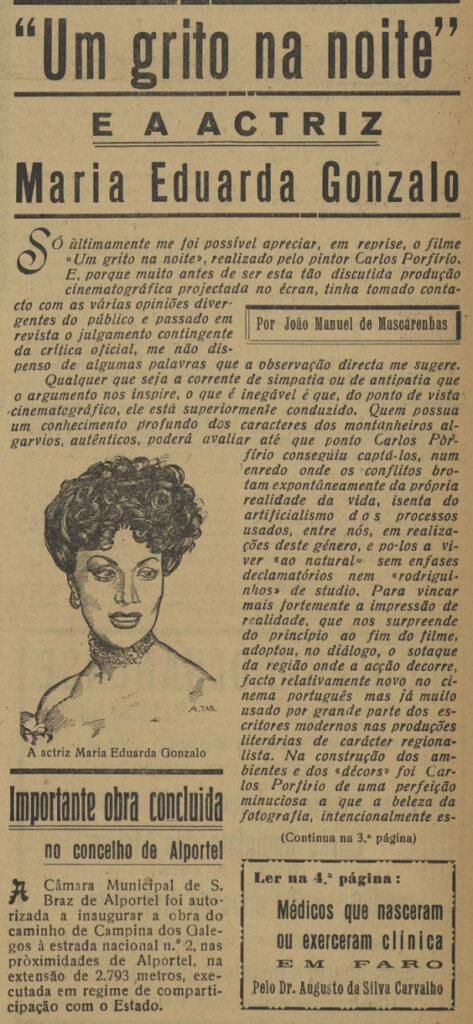
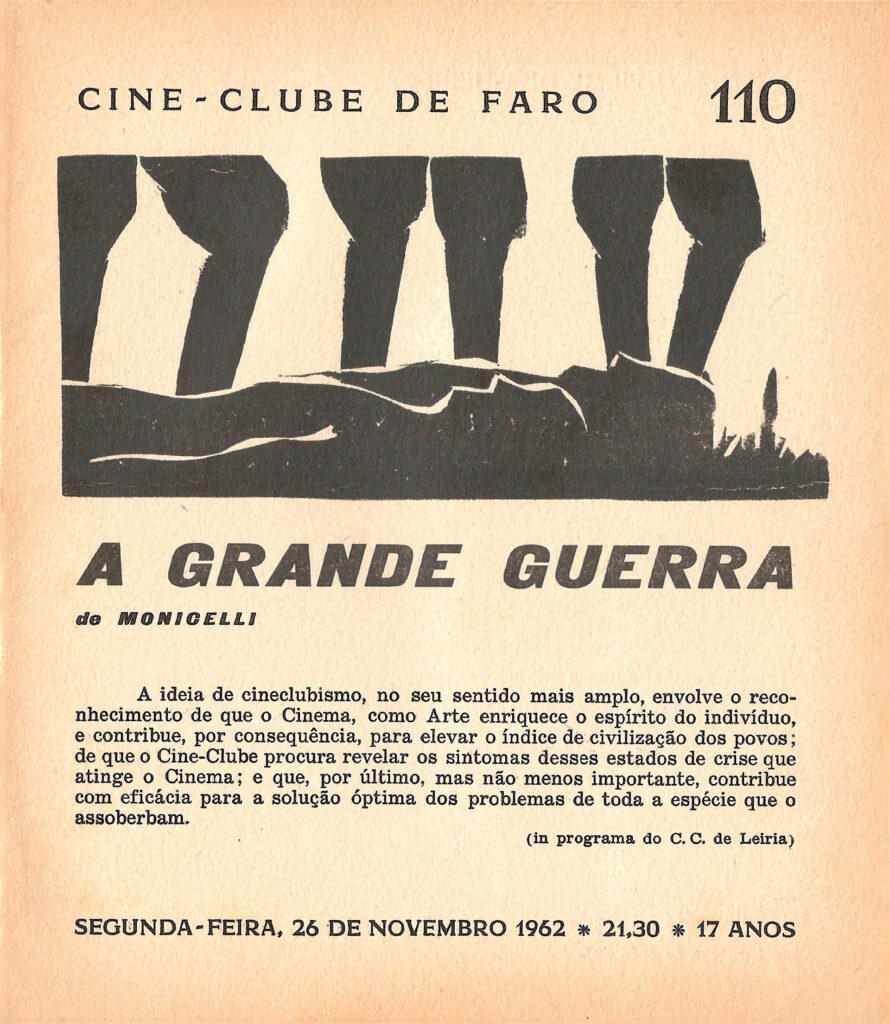
- Film Circulation and Reception: Focusing on the circulation of films and film cultures—particularly Portuguese cinema and the cinemas of Mediterranean Europe—this strand analyses programming practices, film society activities, and representations of cinema in the regional press.
- Memory and Cultural Heritage: The project will develop an interactive digital map that consolidates historical data relating to cinema exhibition in the Algarve, making these resources accessible to both researchers and the wider public.
- Artistic and Community Engagement: A creative research component will encourage new forms of engagement with former cinema sites and their associated memories. This strand will involve students from the University of Algarve’s Visual Arts and Communication programmes in the production of artistic responses that reconnect local communities with this cultural heritage.
Methodology
The project adopts an interdisciplinary and transdisciplinary methodology, bringing together perspectives from Architecture and Urban Studies, Film History, Cultural Studies, and Communication Sciences. Through the combination of archival research, oral history, spatial analysis, and digital humanities methodologies, it seeks to generate a comprehensive understanding of cinema exhibition as a cultural, social, and spatial phenomenon.
Research Team
CIAC Research Team
Jorge Carrega (Principal Investigator), Alexandre Martins, Ana Isabel Soares, António Costa Valente, Ana Filipa Martins, Bruno Mendes da Silva, Mirian Tavares, Olivia Novoa Fernandez, Patrícia Dourado, Rui D’Orey, Silvia Quinteiro, Joana Palminha, and Alexandre Lousada.
External Collaborators
Jesús Ramè Lopez (Rey Juan Carlos University), Joana Isabel Duarte (King’s College London), Hugo Barreira, and Patrícia Gonçalves (FLUP–CITCEM).
Scientific Advisors
Professor Daniel Biltereyst (Ghent University) and Professor Tim Bergfelder (University of Southampton).
Esta publicação também está disponível em: Portuguese (Portugal)