


III International Conference for Mediterranean Cinema
15-16th May 2025
The CIAC – Centre for Research in Arts and Communication of the University of Algarve, Film Studies Research Group annually organizes the International Conference on Mediterranean Cinemas with the aim of promoting intercultural dialogue and stimulating the exchange of knowledge and the creation of partnerships with a view to research on cinema in Mediterranean countries, in an interdisciplinary and multidisciplinary perspective.
Given the enormous socio-economic and cultural importance of the tourism and film industries in Mediterranean countries, and the impact of cinema on the creation of tourist flows, the 3rd edition of this colloquium has as its main theme the relationship between cinema and tourism.
The event, which will take place on the 15th and 16th of May, at the ESGHT Faculty auditorium and in auditorium 1.4 of the Pedagogical Complex of the Penha Campus, University of Algarve, and will have the participation of guest speakers from the United Kingdom, Spain, Italy, USA, Brazil and Portugal.



Keynotes
Francisco Teixeira Pinto – Instituto Politécnico de Leiria/CITUR
Film Tourism: Between Dream and Reality
The film industry can be described as a dream-producing machine. And dreaming is the last bastion of freedom. No one can imprison a dream – in it, one can fly anywhere, become someone else, and do whatever one desires. Imagination, which forms the socio-anthropological foundation of tourism, is nourished by dreams: plenitude, happiness… the search for paradise elsewhere.
Travel dreams, therefore, can be fuelled by cinematic images and storylines – this being the most evident facet of the relationship between cinema and tourism. For this reason, film tourism studies tend to absolutize a single topic: the impact of cinema on visitation to specific locations, while ignoring another important facet of this relationship – the direct, indirect, and induced impacts of cinema during filming in the territories where movies are shot.
In this presentation, both types of impacts will be placed side by side, designated respectively as the “Netflix Effect” and the “Titanic Effect.” The conclusion appears to be quite evident: the impact of cinema on tourism begins upstream, during the scriptwriting phase, and only ends when the film is completely erased from collective memory – sometimes long after it has disappeared from screens.
Francisco Dias holds a PhD in Tourism Sciences from the University of Perpignan. He previously earned a Master’s degree in Neuropsychology from Moscow State University and another in Social Psychology from the University of Porto. He is a Full Professor at the Polytechnic Institute of Leiria.
From 2010 to 2013, he was Director of GITUR – the Tourism Research Unit at the Polytechnic of Leiria. In 2010, he founded and became the first Editor-in-Chief of the European Journal of Tourism, Hospitality and Recreation (EJTHR), serving until 2015. He also founded and was the first President of the Euro-Asia Tourism Studies Association (EATSA).
His empirical studies cover a broad spectrum of tourism, particularly its psychological and sociological aspects – imagination, social representations, destination image, motivation, perceived quality – as well as various elements of destination management.
Beyond his academic roles, he created and continues to lead two innovative, low-cost, high-impact projects aimed at bridging the gap between the audiovisual and tourism industries: the ART&TUR – International Tourism Film Festival, a globally relevant forum; and the Centro de Portugal Film Commission, where he serves as Vice President.

Tim Bergfelder – University of Southampton/UK
What film studio history can teach us about architecture, technological innovation, and workspaces
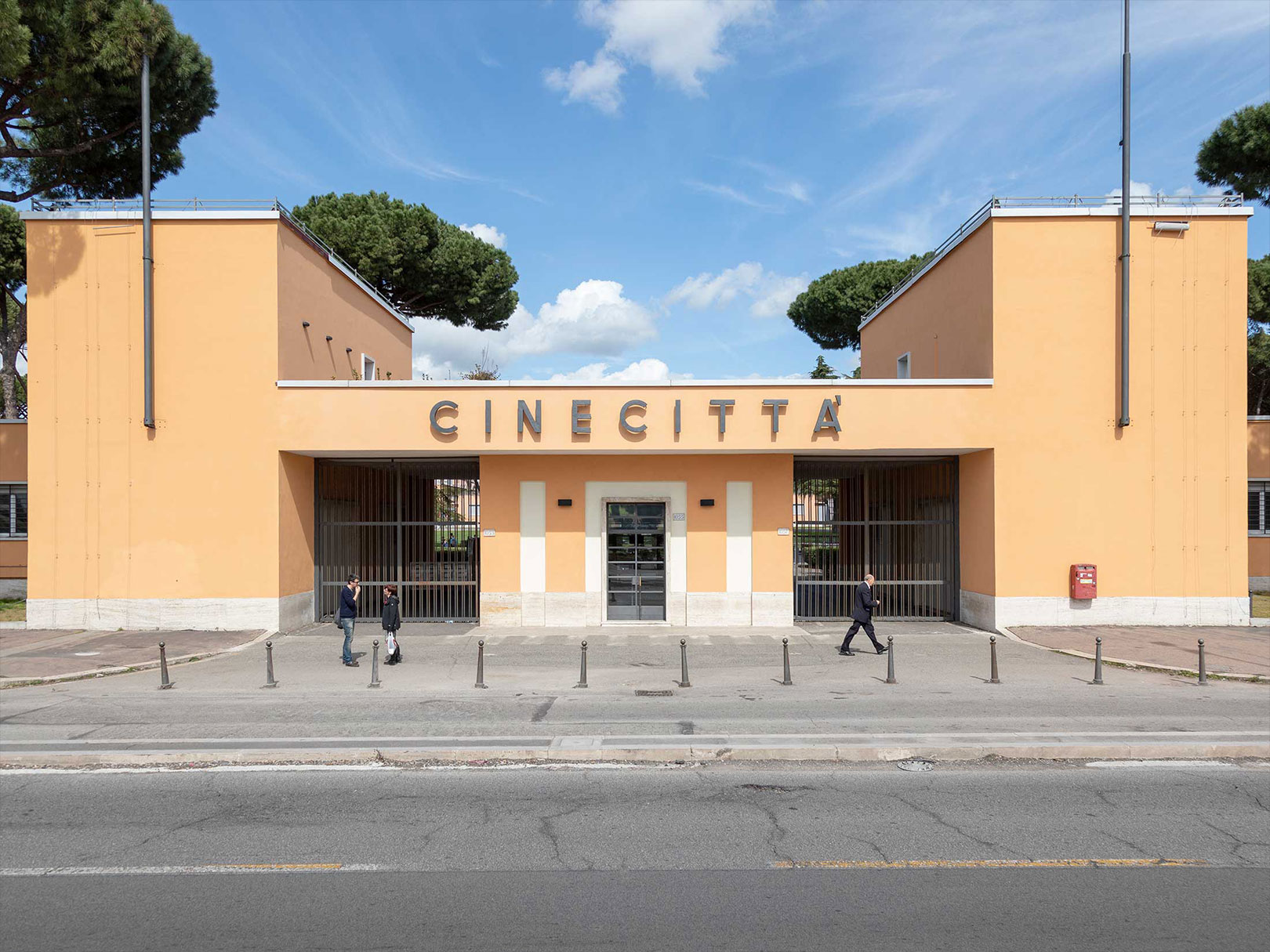
Drawing on my research on the collaborative 5-year ERC-funded project ‘STUDIOTEC: Film Studios Infrastructure, Culture, and Innovation in Britain, France, Germany and Italy 1930-60’, my keynote addresses the new turn in film history towards the study of film studios. Unlike previous scholarship that has used the term ‘studio’ as interchangeable with the story of production companies and their outputs (films), the new approach is to conceive of studios as concrete, physical spaces with their own history, internal organization, development, and specific relationship to the local, regional, and national environments in which they are placed. Some surviving film studios in the US and to a lesser extent in Europe have found a second life or a subsidiary function as tourist attractions. Some studios, such as Babelsberg in Germany and Cinecitta in Italy have become national emblems. But many film studios of the 20th century have disappeared or have been repurposed – in the same way they themselves sometimes repurposed and adapted buildings that served other uses before they became film studios (as airport buildings, as factories, or as research laboratories). In those instances, the approach towards studio history takes on a reconstructive and archaeological dimension. In this paper I reflect on some of the challenges the project involved and the discoveries the project team made.
Tim Bergfelder is Professor of Film Studies at the University of Southampton (UK). He is co-editor of the journal Screen, and series editor of Berghahn’s Film Europa book series, and of the Palgrave series European Film and Media Studies. He is co-author of the forthcoming book Film Studios in Britain, France, Germany and Italy. Architecture, Innovation, Labour, Politics, 1930–1960; London: BFI/Bloomsbury (2026). Previous publications as author, editor, and co-editor include “EXIL SHANGHAI as Audio-Visual Archive and Cross-Cultural Collage.” In: Angela McRobbie (ed.), Ulrike Ottinger. Film, Art and the Ethnographic Imagination (Bristol: Intellect 2024); The German Cinema Book (second edition, London; BFI 2020); “Popular European Cinema in the 2000s: Cinephilia, Genre and Heritage,” in Mary Harrod, Mariana Liz, and Alissa Timoshkina (eds.), The Europeanness of European Cinema. Identity, Meaning, Globalization, London and New York: I.B. Tauris 2015; Destination London: German-speaking émigrés and British Cinema, 1925–1950 (Oxford and New York: Berghahn 2008); Film Architecture and the Transnational Imagination: Set Design in 1930s European Cinema (Amsterdam: Amsterdam University Press 2007); International Adventures. Popular German Cinema and European Co-Productions in the 1960s (Oxford and New York: Berghahn 2005).
Guest Speakers
Sofia Sampaio – Instituto de Ciências Sociais, Universidade de Lisboa
Portugal Unknown (1969): Cinema, Tourism, Intermediality and the Marcelist Project of “Renewal in Continuity”
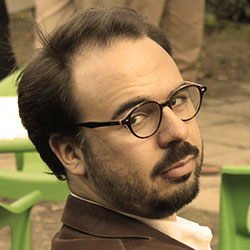
Hugo Barreira – FLUP-CITCEM
Touriste Avant la Lettre: Porto Visited and Constructed by Invicta Film

Susana Araújo – Faculdade de Letras da Universidade de Coimbra/CEComp da Universidade de Lisboa
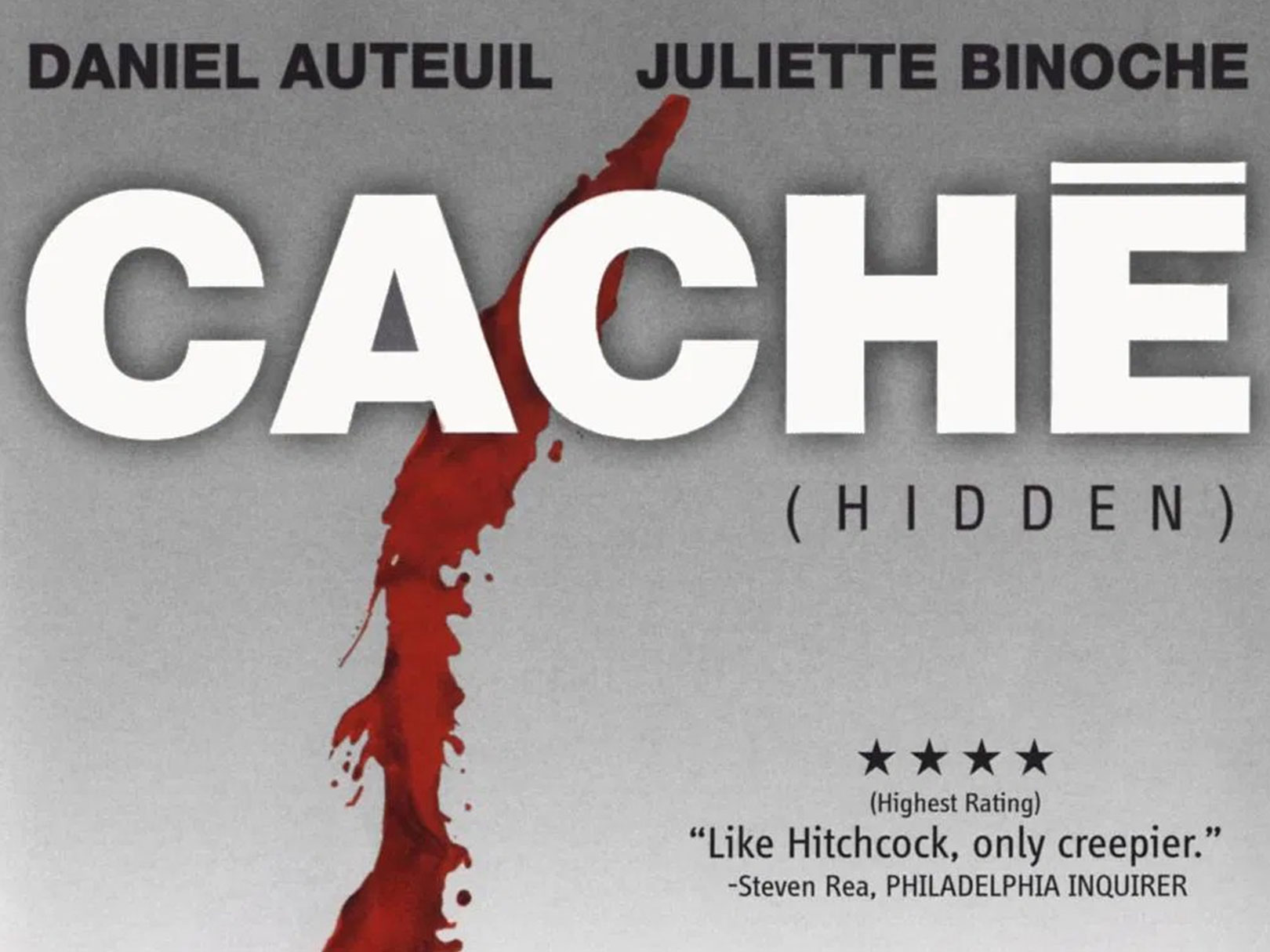
Michael Haneke’s France and the Terror(ism) of Hidden (2005)
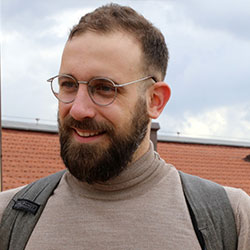
Luca Fazzini – CEComp/FLUL
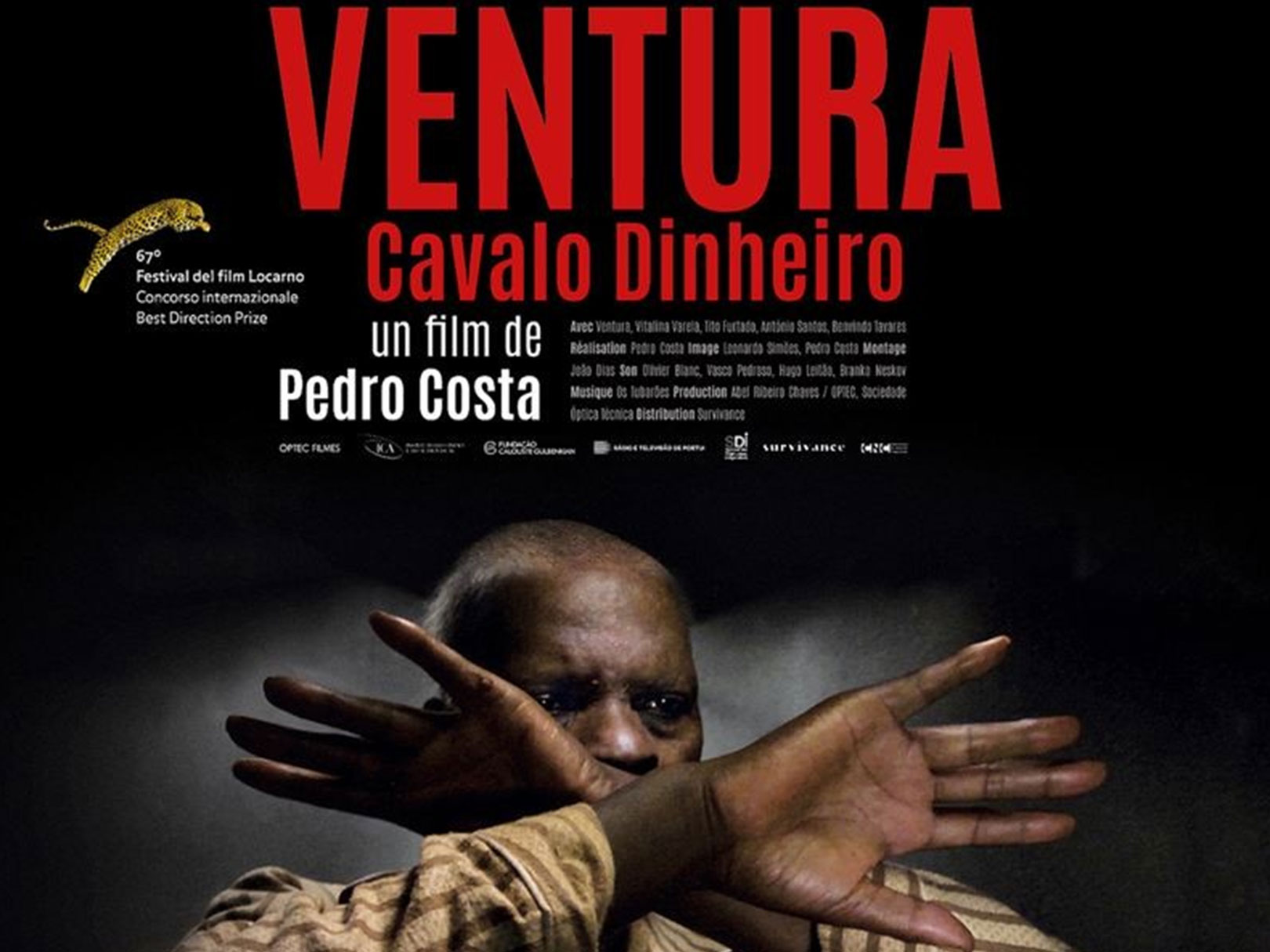
Other Steps Along the Routes of the Empire. Cavalo Dinheiro (2014), by Pedro Costa, and Maremoto (2021), by Djaimilia Pereira de Almeida

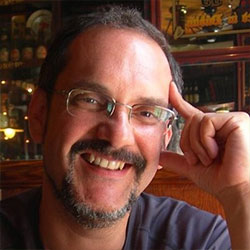
Diana Díaz González –Universidade de Oviedo
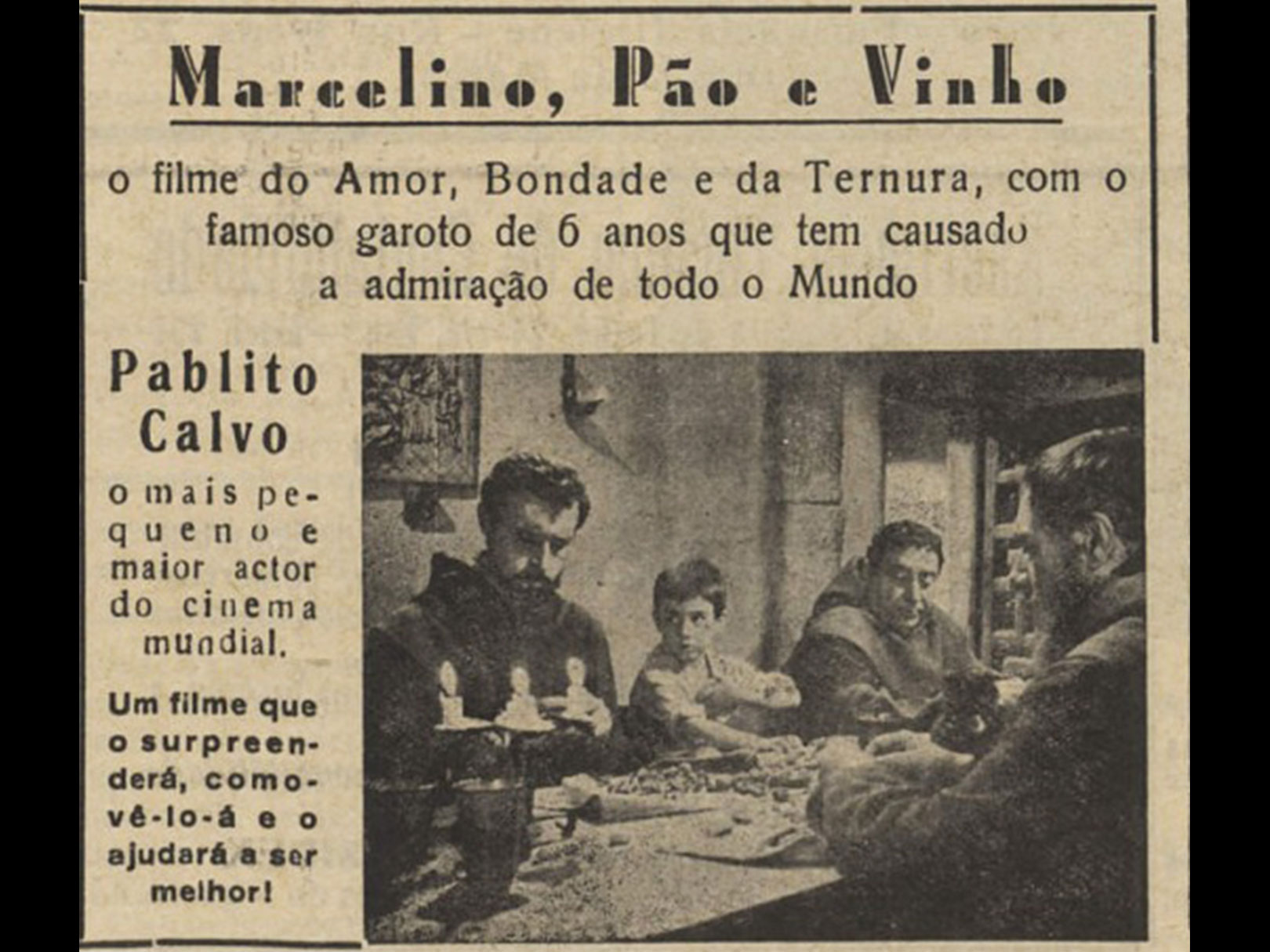
Josep Lluís i Falcó – Universitat de Barcelona
From Screens to Record Players: The Journey of the Music of The Miracle of Marcelino in Mediterranean Countries
Thematic Painel: Film Studies at the Estudos Fílmicos na University of North Carolina Wilmington, USA
Stefani Byrd – UNCW: University of North Carolina Wilmington
Here There: (Re)Collecting Labor on the American Railways
Chip Hackler – UNCW: University of North Carolina Wilmington
A Picture’s Worth a Thousand Films
Lani Akande – UNCW: University of North Carolina Wilmington
Re-imagining Film Studies: Decolonial African Approaches
Program and registration
Organization
CIAC Coordination
Bruno Mendes da Silva
Mirian Tavares
Scientific Committee
Alexandra Rodrigues Gonçalves
Ana Isabel Soares
António Costa Valente
Bruno Mendes da Silva
Hugo Barreira
Jorge Carrega
Mirian Tavares
Sara Vitorino Fernandez
Silvia Quinteiro
Stefano Baschiera
Tim Bergfelder
Tim Palmer
Organizing Committee
Jorge Carrega (Coordenação)
Alexandra Rodrigues Gonçalves
Alexandre Martins
Hugo Barreira
João Carlos Firmino Carvalho
Patrícia Dourado
Sara Vitorino Fernandez
Sílvia Quinteiro
Tim Palmer
Communication and Logistics Committee
Alejandro César Sierraalta Ramírez
Guilherme Felisberto
João Paulo Cunha
Josué Guedes
Juan Manuel Escribano Loza

This conference is financed by national funds through FCT – Fundação para a Ciência e a Tecnologia, I.P., in the framework of project «UID/04019: Centro de Investigação em Artes e Comunicação»
Esta publicação também está disponível em: Portuguese (Portugal)