
Presentation
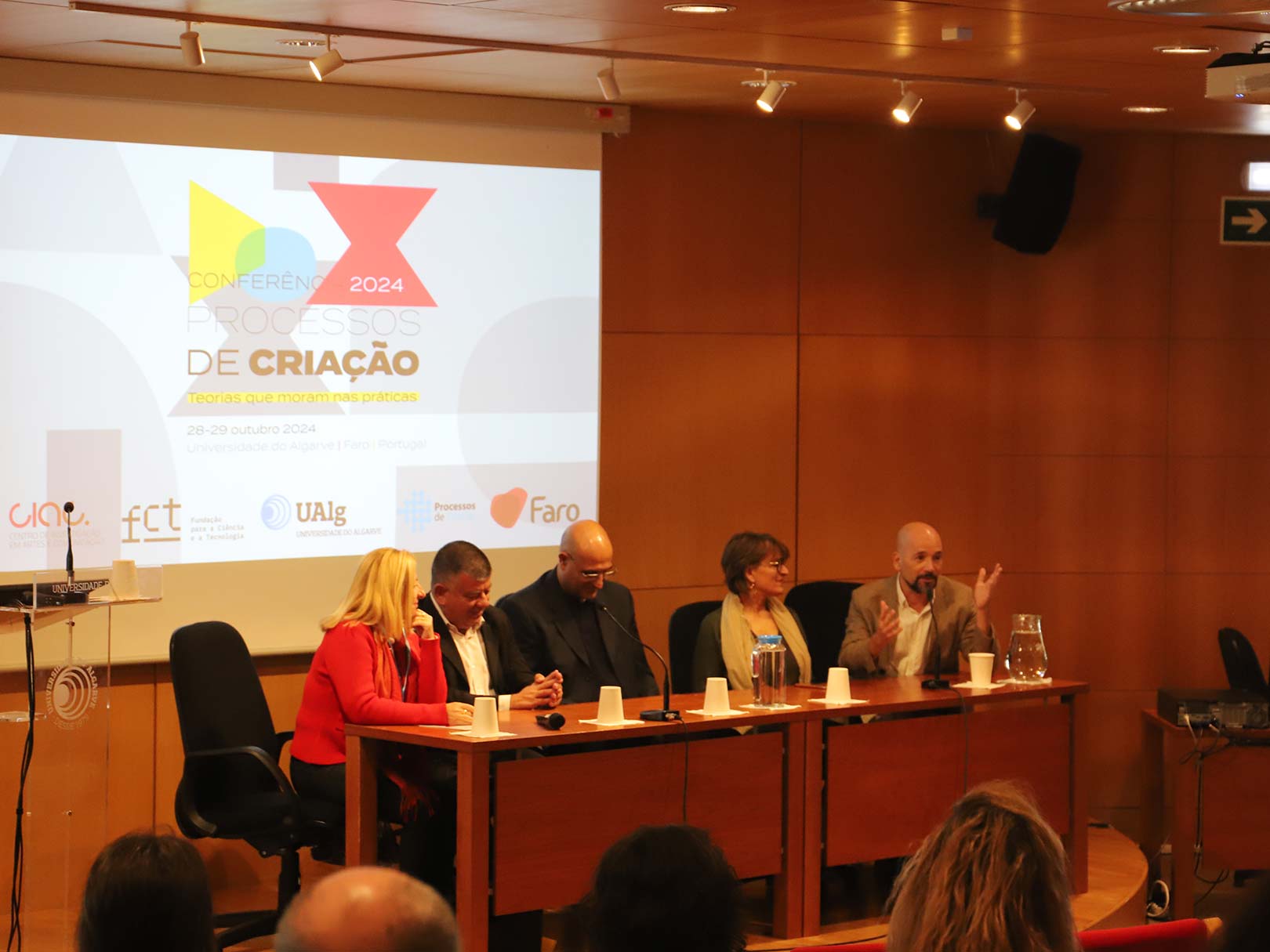
The CIAC International Creation Processes Conference is organized by the Working Group on Visual Arts and Creation Processes of the Research Centre in Arts and Communication (CIAC) at the University of Algarve.
It results from the international collaboration between CIAC and the Creation Processes Research Group at PUC-SP, which in recent years have been developing several joint projects.The second edition of the Conference is dedicated to Interactions between Research and Creation and will take place on December 4 and 5 at the University of Algarve, Penha Campus, in Faro.
Program
Book of abstracts
Call for Submissions
In December 2025, researchers, artists, and creators in general will gather at the University of Algarve, under the initiative of CIAC – Research Centre in Arts and Communication, to reflect on Creation Processes across practices, materialities, procedures, and methods, under the theme Interactions between Research and Creation.
CIAC has intensified its studies and initiatives in the field of Creation Processes, especially since the beginning of its partnership with the Creation Processes Research Group at PUC-SP (2019), an institution with over 30 years of experience dedicated to research in this area. Outcomes of this Portugal-Brazil partnership include not only the conference but also: the CIAC Creation Processes Collection (2022), the Master’s in Creation Processes at the University of Algarve (2023), and the Postgraduate Program in Creation Processes at PUC-SP (2025).
Reflecting on the Interactions between research and creation becomes increasingly necessary when theory is positioned at the meeting point between knowledge from practice and the desire to propose new understandings emerging from such knowledge.
In recent years, several higher education programs have been established to support projects at the intersection of research and creation, including the PhD in Digital Media-Art (UAlg/UAb), the Master’s in Creation Processes (UAlg), the Postgraduate Program in Creation Processes (PUC-SP), among others associated with this conference.
Creation, a concept that long ago transcended the artistic field and assumed a central role in all sectors of contemporary life, remains vital to artists, though not exclusively to them. It can contribute to sensitive and timely research that enables us to act more effectively in and upon the world. To create, and to offer others the possibility to create, is certainly one of the means of resisting the automatisms of gesture and thought that have marked our society.
Investigating ways to de-automatize our gestures and thoughts, by opening and discussing Creation Processes across different fields, is a path that brings ethics and aesthetics together within practices of creation and research. In this sense, universities play a fundamental role in fostering and promoting, also within the academic environment, such intersections and the projects born from this desire for confluence.The second edition of the Conference (2025) aims to broaden these and other discussions, and therefore invites researchers, artists, and creators in general to submit communication proposals addressing Interactions between Research and Creation, around (but not limited to) the following subtopics:
- Theories of artistic creation and their poetics
- Materialities and procedures of artistic creation
- Reception, co-creation, interactivity, and shared creations
- Culture, memory, and creation archives
- Research methodologies in creation processes
- Poetics of research
- Ethics and politics of creation
- Decolonial and anti-racist creation and research practices
- Creation, representativity, and repair
- Sustainability and creation ecologies
- Literacy, educational practices, and creation processes
- Creation processes and AI tools
- Digital poetics, generative practices, and hacking practices
- Artivism and digital artivism practices
- Contributions of creation processes to climate challenges
- Feminism, gender, and intersectionality in creation processes
Abstracts should be between 200 and 300 words and submitted via the Submission Form by October 12, through the Conference website.
Upon acceptance, presenters must confirm their participation by filling out the Presenter Registration Form.
- Presenter registration (per communication): €25
- Presenter registration with publication (per communication): €50
Presenters are invited to submit a full paper, following the guidelines of CIAC Editions, for publication in a special volume of the Creation Processes Collection.
Timeline
- Proposal submission deadline: October 12, 2025
- Notification of acceptance: October 20, 2025
- Registration of accepted papers: until November 20, 2025
- Conference dates: December 4–5, 2025
- Full paper submission deadline: July 31, 2026
- Book publication: December 31, 2026
Submission
Communication Proposal Form (abstract)
Accepted proposals
Archive Exhibition Proposal Form (integrated with a communication or panel)
Accepted proposals
Workshop Proposal Form
Accepted proposals
Registration of accepted papers
- Communication (without publication) €25.00 EUR
- Communication (with publication*) €50.00 EUR
- UAlg students/researchers and CIAC members: exempt
* The full text for publication must be submitted by January 31, 2026, in accordance with the editorial standards of CIAC Editions, APA 7 formatting style, and template and editorial guidelines to be provided by email to those registered in the “Communication (with publication)” category. The text will be included in the book Interactions between Research and Creation, to be published by CIAC’s Creation Processes Collection in 2026.
Registration of attendees
Free registration for attendees. A certificate of participation will be issued to registered attendees who are present.
Workshop registration
Pre-conference Lecture
Cecilia Salles
Interactions between Research and Creation
December 2nd, 2025, 14h30
Amphitheater 0.4
This year the conference presents the creation theorist Cecilia Salles among the pre-conference activities, as part of CIAC’s Visual Arts Cycle, on December 2, 2025, with a lecture that precedes this year’s conference theme: the interactions between research and creation.
Cecilia Salles is an international reference in the field of Creation Processes, with more than 30 years dedicated to this area of study, which has grown significantly in recent years partly due to her contributions. She is the author of several books on the subject, including “Gesto Inacabado: Processo de Criação Artística” (1998), “Crítica Genética: Uma (nova) Introdução” (2008), “Redes da Criação: Construção da Obra de Arte” (2006), “Arquivos de Criação: Arte e Curadoria” (2010), and “Processos de Criação em Grupo: Diálogos” (2017). She is Full Professor in the Graduate Program in Communication and Semiotics at PUC-SP, and Visiting Professor in the Master’s program in Creation Processes at the University of Algarve, a program she helped establish. She also coordinates the Research Group on Creation Processes at PUC-SP, where she supervises innovative studies based on a transversal approach to Creation Processes. She participates in various national and international projects and, since 2019, has collaborated with CIAC, where she has made significant contributions to advancing contemporary discussions on the subject.


Pre-Conference Workshop
Irena Rauda and Lara Kadocsa
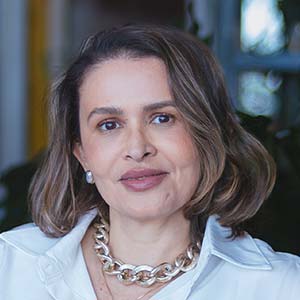

Body-Notebook
December 3rd, 2025, 14h00-17h00
Room 1.04 Civil Engineering
Inspired by the studies of Cecilia Salles on the unfinished and processual nature of creation, this workshop proposes a practice that brings together the body that writes and the body that reads, between movement and inscription. We begin with the idea that the notebook, like the body, can function as a living archive, where experience reinscribes itself and overflows in the form of creative writing. Participants are invited to explore what happens when writing ceases to be only language and becomes, as well, a body in action. The notebook, here, is an extension of the skin: a place where theory and experience, erasure and gesture, affect and word contaminate one another. More than teaching a technique, the workshop creates a field of presence, where writing is movement and the body is a page in constant rewriting.
Irenà Rauda is a writer and researcher. She works at the intersection of theory, sensitive archives, and creative writing, developing the concept of the Living Notebook as a space of interaction between traces of research, intimate fragments, and literary fabulation. She conducts research in the Literature and Literary Criticism Program at PUC-SP, focusing on Adalgisa Nery’s novel Neblina (1972), in a research-creation project in dialogue with process criticism, exploring how reading and academic inquiry contaminate the writing of her new novel in progress, What I Tell You Sprouts from Wet Ink (unpublished). In addition to her academic work, she participates in literary creation and cultural criticism projects, with a special interest in women’s writing processes and in the creative power of remnants, erasures, and notes in transit.
Lara Kadocsa is a singer, actress, and poet. She holds a degree in Cultural Studies from Humboldt University of Berlin (Germany) and specializes in Popular Song. She is currently conducting research in the Literature and Literary Criticism Program at PUC-SP. She sings in the samba group Os Compandeiros, has poems published in more than ten anthologies, and her music video Decisão has been awarded at five international festivals. She published the chapbook Epistolary Everyday (Cotidiano epistolar, Mormaço, 2024) and jointly released an original album and a poetry book, both titled Air (Ar, Origem). She has also been part of the scenic-musical collective Kairospania, the trio Grãos in Berlin, and the Berlin University Philharmonic Choir.
Exhibition
Milita Doré, Joana Galrão and Rosa Guedes
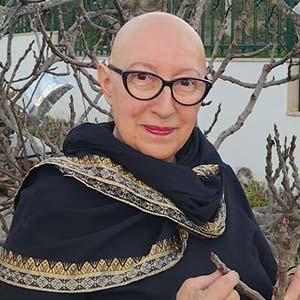
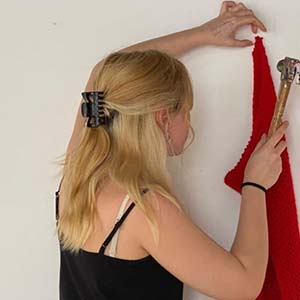
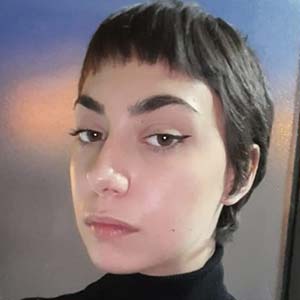
Dissecting the Intimate
December, 4th-5th, 2025
Penha Amphitheater Complex
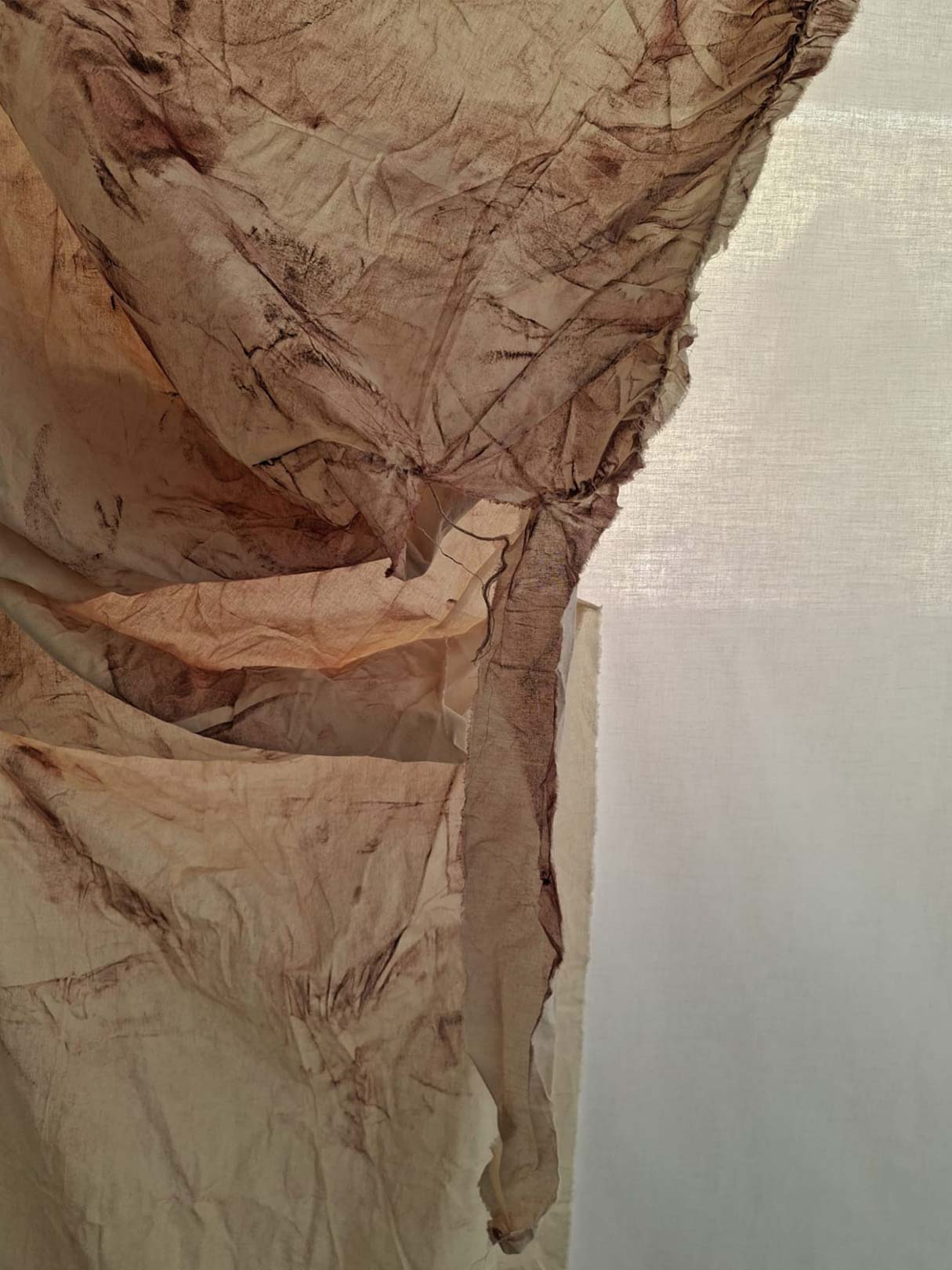
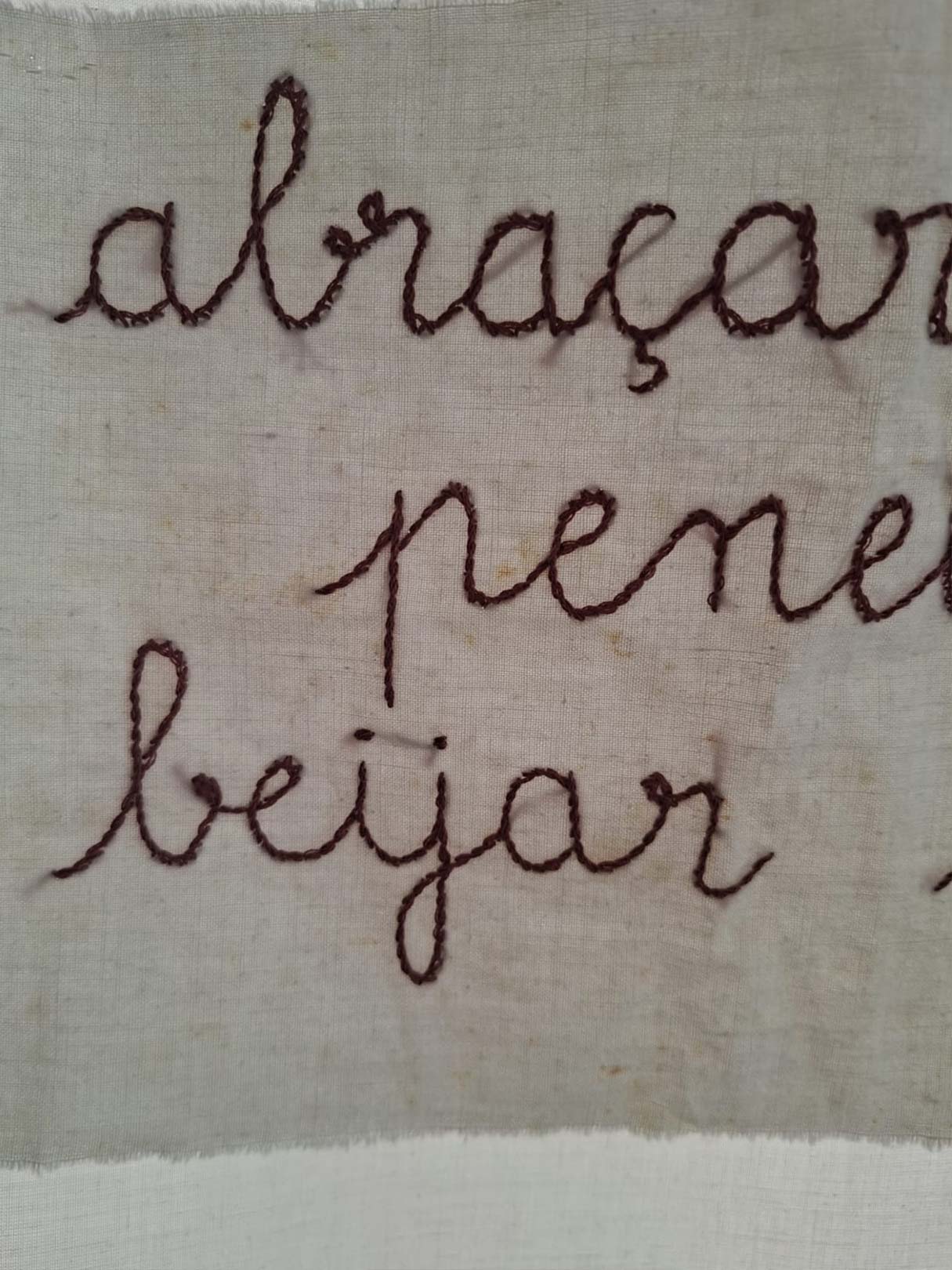
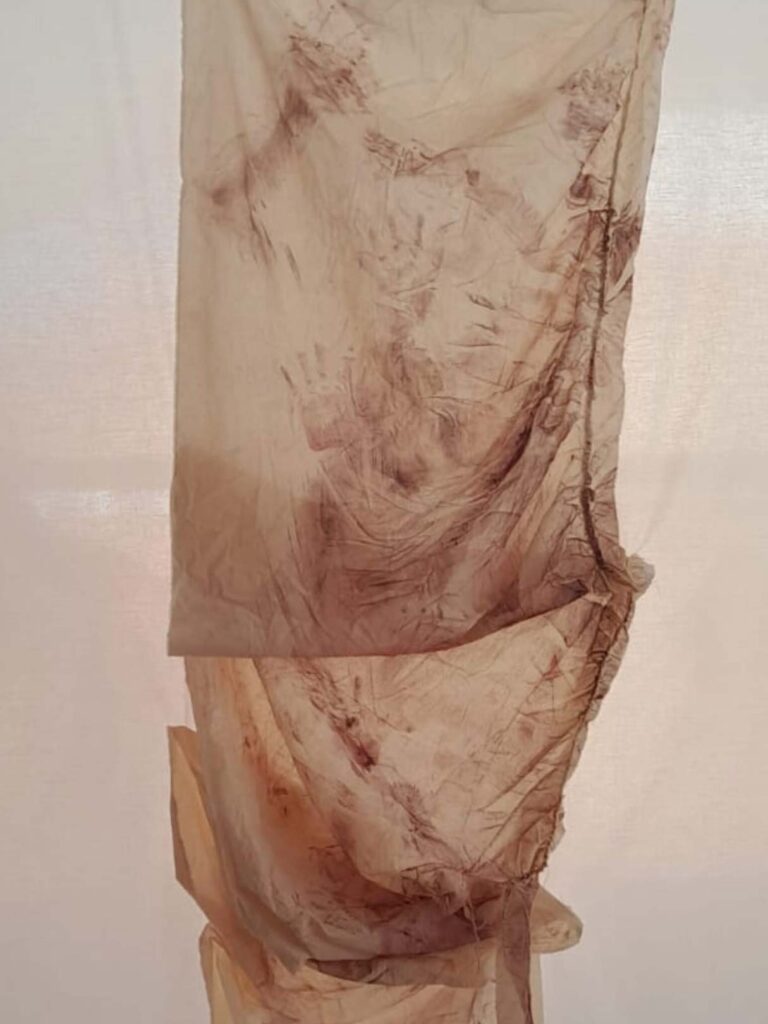
The exhibition explores the feminine universe through three perspectives that, together, form a narrative composed of dialogues and echoes, where the artworks trace a path shared by all of us. Diverging from the notion of the private, intimacy here lifts its veil, reveals ideas and stories, expresses itself freely, and coexists with the entire external world. Within this space, sensitivities and sensations are unveiled, and points of connection are sought, offering the public the opportunity to recognize and enter this inner cosmos to become part of it. Among images and scents, subjectivity emerges steeped in memory that drifts through fabric, declaring itself visible and invoking interpretations and dialogues. To know or recognize this sharing, Dissecting the Intimate proposes a vulnerable reflection intended to open space for a living expansion that seeks to express itself freely.
Milita Doré (1958) is an artist whose work revolves around the body, intimacy, and the poetic materiality of the senses. Her research builds a sensory imaginary woven from touch and scent, evoking the bonds between the intimate and the collective, the visible and the invisible. She emphasizes sentimentality as an essential condition of human experience and delicately transforms themes and images from everyday life.
Joana Galrão (1998) explores the relationships between the body and the external world, the threshold between the outer and inner, creating dialogues of sharing and recognition. Her work inhabits the interval where something once was but still echoes, where the fruits of her actions upon materials trace paths for personal readings, traces that take root in matter, holding time in suspension.Rosa Guedes (2001) investigates themes connected to collective memory, with a special focus on the female body. Her artistic practice explores the marks that memory leaves on the body, addressing issues such as symbolic violence. Through painting, illustration, photography, and video, she examines the multiple forms the body can assume, revealing personal and collective narratives inscribed within images.



Guided Visit to Associação 289
Group Exhibition ‘Casa Amarela com Quarto Cinzento’ and Project Room ‘wasitacaroracatisaw’ by Gonçalo Ribeiro
December 4, 2025 | 7:30 PM
Associação 289 – Cercado da Atalaia, Faro
Artists: Milita Doré, Gat.Uno, Gustavo De Jesus, Basap, Jorge Mestre Simão, José Jesus, Bertílio Martins, Fernando Sampaio Amaro, Tiago Batista, Xana, Joana R. Sá, Susana de Medeiros, Angelo Gonçalves, Pedro Cabral Santo, João R. Ferreira, Vincent Ribeiro, Bruno Grilo.
Among the letters written to his younger brother Theo, Vincent van Gogh described the Yellow House in Arles: a studio, a bedroom, a refuge. He dreamed that this space would become not just a shelter, but a place of gathering, sharing, and artistic community. Since its inception, Associação 289 has claimed that same idea of a home for itself—a space that welcomes, hosts, builds neighborhood, and fosters collective thought and creation.
This exhibition reveals multiple points of connection between the inhabitants of this house and the world: politics, society, nature, or even the absurd – interwoven with references to both collective and individual histories.
Casa Amarela com Quarto Cinzento is, above all, an open metaphor: a space of encounters and vulnerabilities, an invitation to contradiction.
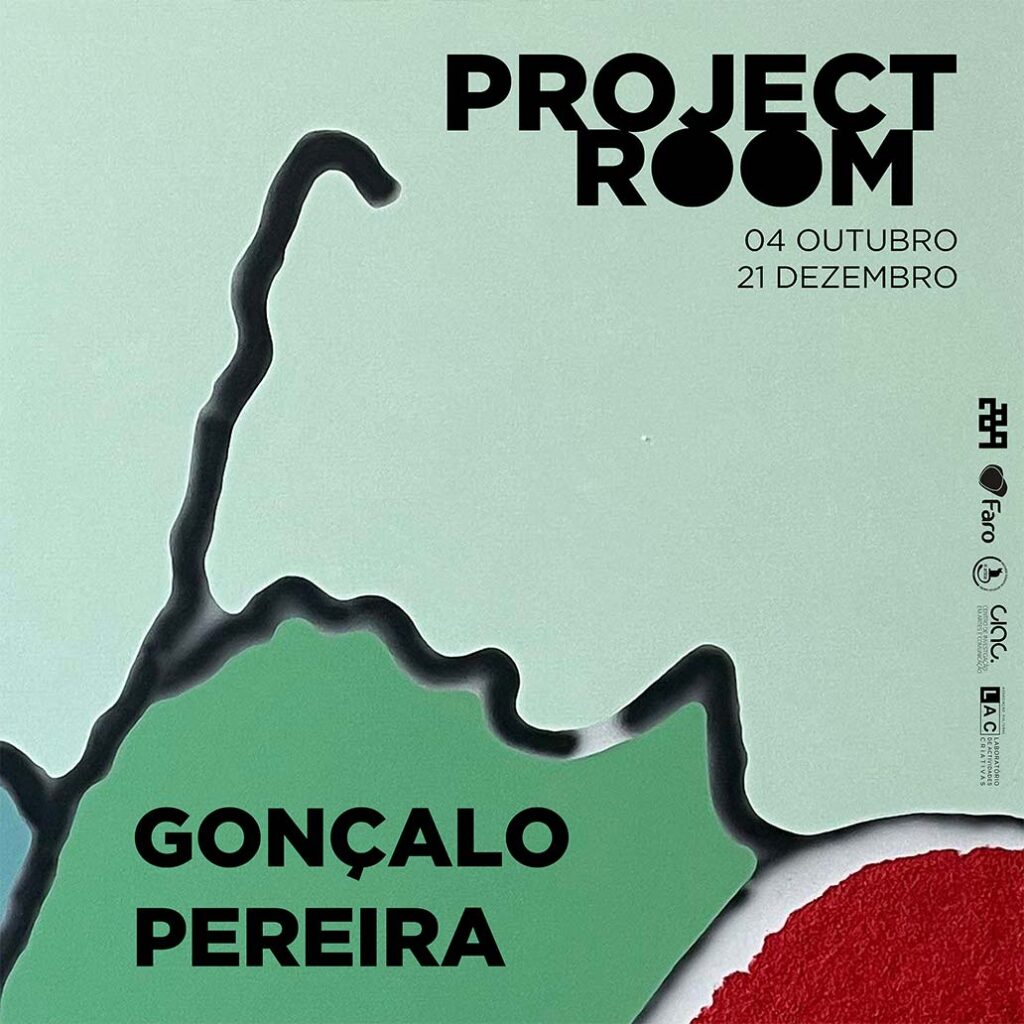
Project Room ‘wasitacaroracatisaw’
Since 2019, Associação 289 has been developing the Project Room – an initiative that supports emerging artists in developing their practice through close engagement with the space (“site-specific” works). The dialogue arises from the site of hospitality itself, and its unrepeatable outcome becomes deeply tied to the context that hosts it.
The association resumes this project – its first Project Room in the new headquarters – with Gonçalo Pereira, curated by Joana R. Sá.
This is the fourth edition of the Project Room, which has so far featured a total of 15 artists. The invited artist for this edition presents the installation wasitacaroracatisaw.
Gonçalo Pereira (Oliveira de Azeméis, 2002) is currently pursuing a Bachelor’s degree in Fine Arts, specializing in Painting, at the Faculty of Fine Arts of the University of Porto. He has been developing his artistic practice since 2021, participating in exhibitions and other cultural projects, including: Salto (Associação 289, Faro, 2023), 3+1 (curated by Silvia Simões, Al859, Porto, 2024), No tanto que se cruzou (Cooperativa Árvore, Porto, 2024), and Moeda ao Ar (Espaço Fisga, Porto, 2025). In 2024, he also took part in the Cortiçada Art Fest artist residency in Proença-a-Nova.


Keynotes
December 04 | 11h00
Anfitheatre 1.5
Isabel Baraona

Isabel Baraona (Cascais, 1974) is an artist, professor at ESAD.CR | IPLeiria, and researcher at LiDA – Laboratory for Research in Design and Art. She holds a degree in Painting from La Cambre (Belgium) and a PhD in Visual and Intermedia Arts from the Polytechnic University of Valencia (Spain). She completed a postdoctoral fellowship at the University of Rennes 2 (France).
She has participated in numerous solo and group exhibitions in Portugal and abroad. Her work is included in several national collections, such as the EDP Foundation, D. Luís I Foundation/Cascais City Council, PLMJ Foundation, MGFR (Fernando Figueiredo Ribeiro), Catarina F. Cardoso, Eduardo Rosa, Pedro Janarra, and the Portuguese Screen Printing Centre, among others; and in international collections such as those of Yolande De Bontridder, Galila Barzilaï-Hollander, Jean-Marie Stroobants, among others.
In 2025, she was an artist-in-residence at OSSO, in São Gregório, and at Rama – Artistic Residencies, in Maceira, Torres Vedras.


Rita Macedo
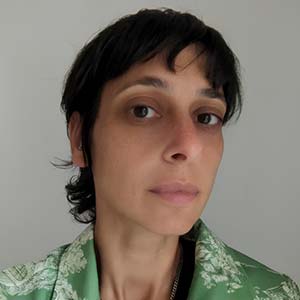
Rita Macedo is a filmmaker, moving image curator and researcher based in Berlin. Her practice spans non-fiction and the speculative, using narrative ruptures to probe the unstable terrains of meaning and memory. Through this gesture, she proposes a reflection on how the moving image articulates perception, temporality, and thought.
Her works have been presented at various international festivals and exhibitions, including the Berwick Film & Media Arts Festival, Hamburg Short Film Festival, IndieLisboa – International Film Festival, Kasseler Dokfest, Curtas Vila do Conde – International Film Festival, and the São Paulo International Short Film Festival, among others.
She has received several research and production grants and, since 2018, has been an artistic researcher at the Braunschweig University of Art (HBK Braunschweig). Since 2024, she has also been the curator of the International Selection at the European Media Art Festival (EMAF).
Her ongoing artistic project, Celestial Bridging – Collected Experiences, adopts speculative fiction as a method of artistic research, questioning the mediatization of death, desire, and knowledge, as well as the reading protocols, formal conventions, and institutional frameworks that shape their reception.


Panel 1: The Vitality of Artistic Thought at the University
December 05 | 14h00
Anfitheatre 1.5
Pedro Alves da Veiga
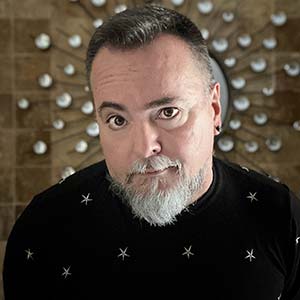
Pedro Alves da Veiga is an artist and researcher with a PhD in Digital Media Art from the University of Algarve and Universidade Aberta.
He is a professor at Universidade Aberta, where he serves as deputy director of the PhD program in Digital Media Art. He was involved in the business sector for over two decades, developing award-winning work in web design and multimedia. He is a full member of the Research Centre for Arts and Communication and a collaborator at the ID+ Institute for Research in Design, Media, and Culture.
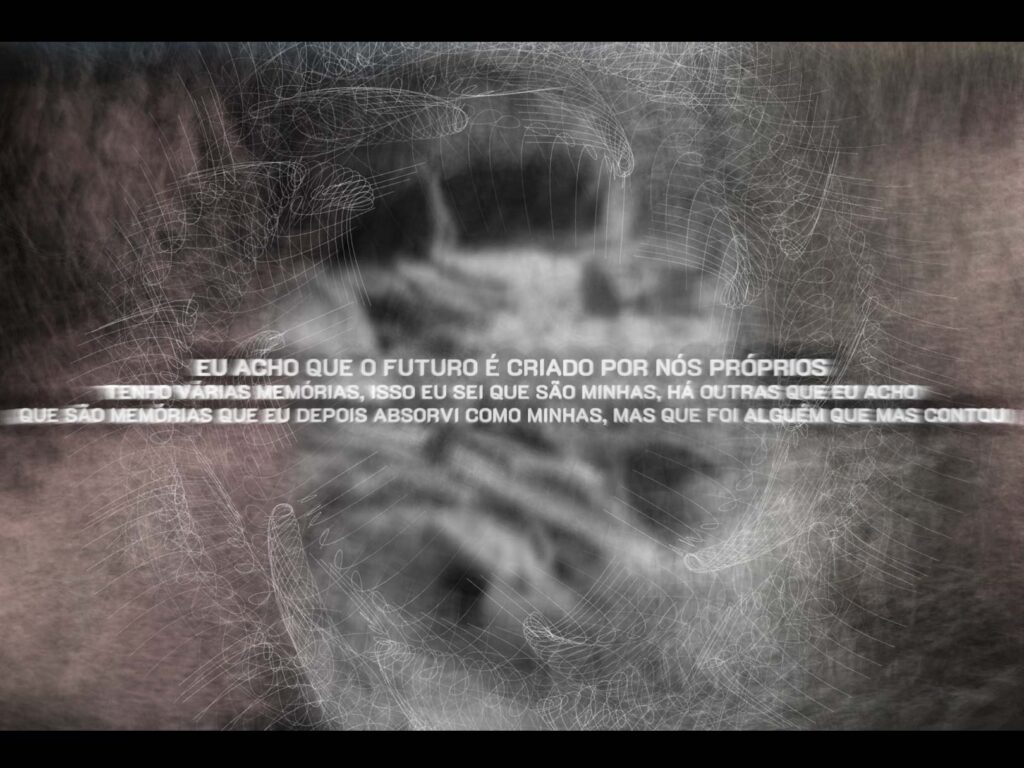
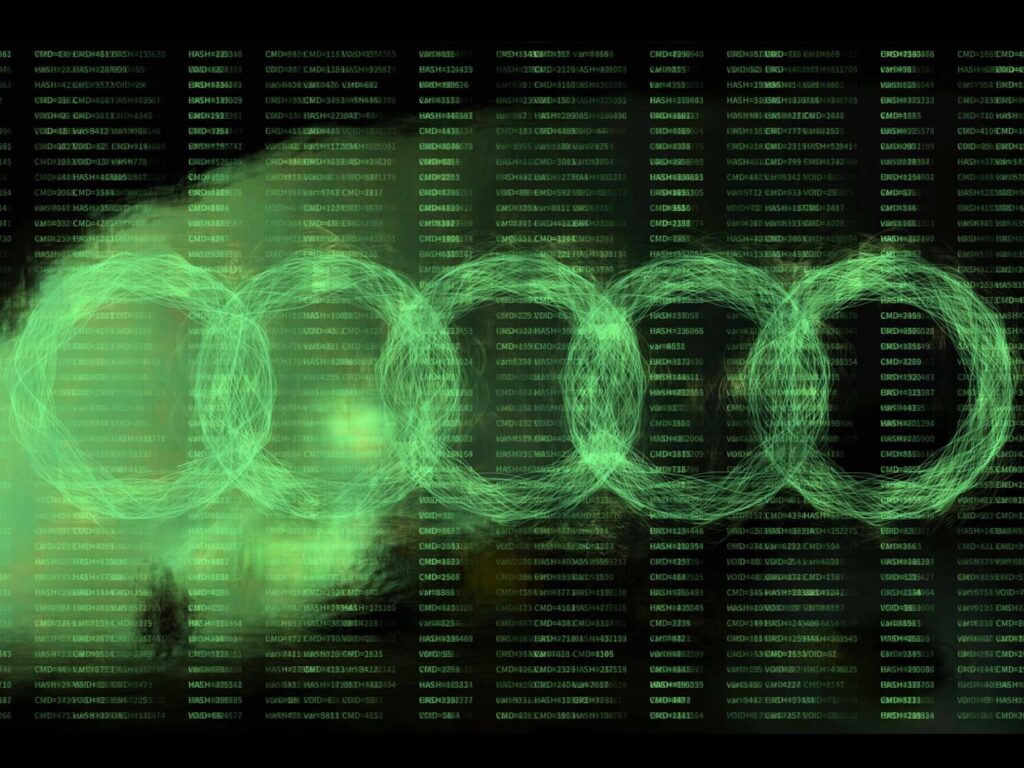
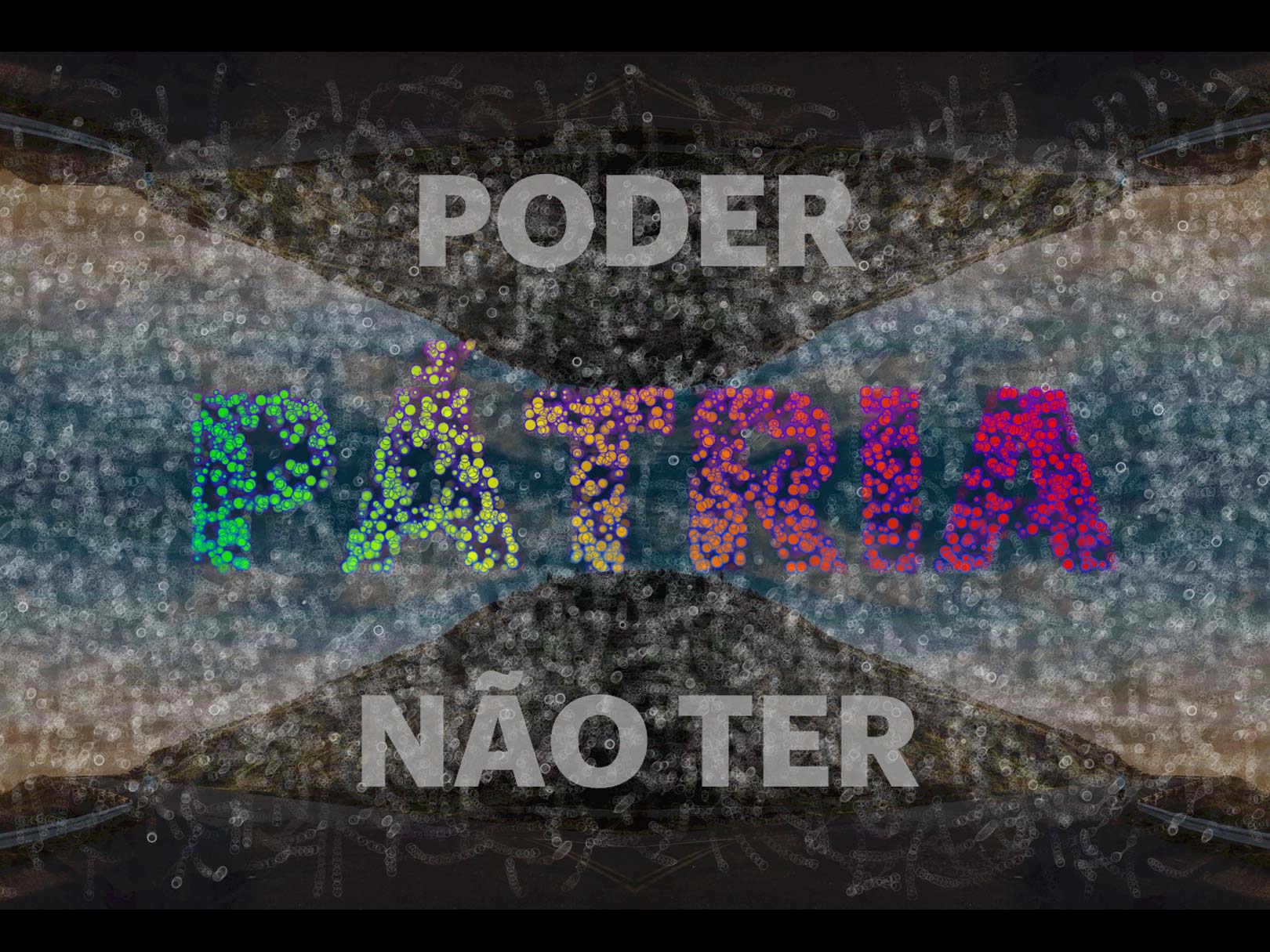
He regularly participates in projects at the intersection of art, science, and technology, focusing his research on the influence of attention and experience economies in the digital media art ecosystem; art-based research methods; hacktivism and artivism; and curatorial practices in digital media art. His artistic practice includes assemblage, generative creative programming, and digital audiovisual work. His pieces have been exhibited individually and collectively in Portugal, Brazil, Spain, France, Italy, the Netherlands, Romania, Ukraine, Russia, China, South Korea, Thailand, and the United States.
Pedro Cabral Santo

Pedro Cabral Santo is a visual artist, exhibition curator, professor, and researcher. He studied Painting and Sculpture at the Faculties of Fine Arts in Lisbon and Porto, and holds a degree in Fine Arts – Painting (1995) from the Faculty of Fine Arts of Lisbon. In 2006, he completed a Master’s in Painting at the same institution, where he later earned a PhD in Fine Arts – Image specialization – in 2011.
He has taught in the Scenic Props Program at Colégio de Santa Clara/IFP in Lisbon, where he also served as Program Director; at the School of Arts and Design of Caldas da Rainha, where he was deputy coordinator of the Fine Arts Program; and at the Faculty of Fine Arts of Lisbon, in the Art and Multimedia Program, under a protocol between ESAD/CR and FBAUL. He joined the University of the Algarve, specifically the Faculty of Human and Social Sciences, in 2008 to teach in the Visual Arts undergraduate program. Since 2015, he has been an Assistant Professor at the institution. He is currently the director of the Visual Arts Program.
Alongside his artistic work, he has carried out activities as a commissioner, curator, and organizer of exhibitions over the past 20 years. In addition to his artistic and curatorial practice, Cabral Santo has published various texts and essays on artistic imagery and contemporary culture. In 2021, he released the book *The Power of Love*, a collection of articles and essays on artistic imagery written over the years.


Panel 2: Poetics of Research
December 05 | 15h00
Anfitheatre 1.5
Camila Mangueira
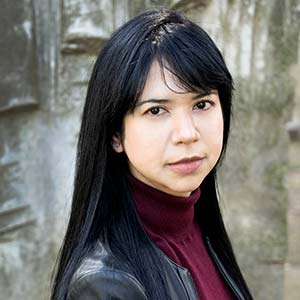
Camila Mangueira is a designer, professor and research artist at i2ADS – the Institute for Research in Art, Design, and Society at the Faculty of Fine Arts of the University of Porto. She coordinates the research project Philosophical Media (PhilMe), which critically explores the role of technical objects and mediations in shaping thought and the practice of the image as culture.
Her work focuses on the interactions between logic, media, and image devices, examining the convergences between analog and digital from the perspectives of creative processes and media archaeology. She publishes regularly in books and presents artistic works in international exhibitions.
She completed a postdoctoral fellowship in Design at FBAUP, developing the critical-creative proposal of Metaimage. She holds a PhD in Communication and Semiotics from PUC-SP, with the dissertation Photographic Thought, which proposes an integrated understanding of the representational complexity of the technical image. She also holds a Master’s degree in Communication and Semiotics (PUC-SP) and a specialization in Theories of Communication and the Image (UFC). She has teaching and production experience in Image, Design, Media, and Communication, including the coordination of multimedia and research projects. In addition to her work at FBAUP, she collaborates as a visiting lecturer in the Lato Sensu Postgraduate Program in Creation Processes at PUC-SP and in the Master’s Program in Creation Processes at the University of Algarve.
https://i2ads.up.pt/projetos/philme/



María Jesús Botana Vilar
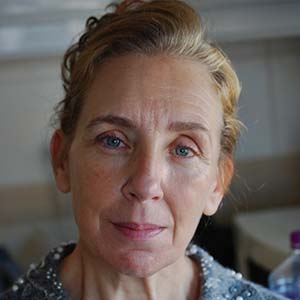
María Jesús Botana Vilar is a researcher and lecturer at the University of Algarve, where she coordinates the Galician Studies Center (CEG) and serves as director of the Textos e Estudos Collection, of which she is also the editor. She served as vice-president of the International Association of Galician Studies (AIEG, 2022–2024). She holds degrees in Galician-Portuguese Philology and Romance Philology from the University of Santiago de Compostela, and a PhD in Literature from the University of Algarve. She began her research career in the critical edition project of the Cantigas de Louvor by Alfonso X, developed at the Ramón Piñeiro Center for Research in Humanities (CIRP). Since then, she has focused part of her academic activity on the Middle Ages, with particular emphasis on medieval literature, language, and illumination. In recent years, she has organized and coordinated several internationally significant academic events, including the XIV International Congress of AIEG – Horizons of Galician Studies in the Lusophone World, in Braga, and the International Colloquium Galicia-Portugal Crossings: Migratory and Cultural Networks.
https://ciac.pt/membros/maria-jesus-botana-vilar/


Bruno Mendes da Silva
Closing performance LOCK-WORDS
Leonardo Shamah
December 05 | 17h30
Anfitheatre 1.5
The door, the acrobatics, the crossing, the samba, the eye, the camera obscura, the diaphragm, the hiatus, the mollusk, the exit. What is created in the movement of these images?
In the new performance Lock-Words, the artist engages in perceiving the movements of creation by looking at the world. Like someone contemplating a landscape or inhabiting a house, he spirals through memories, everyday actions, and geographical displacements in order to be welcomed by the act of creating.
Leonardo Shamah (@olhosenormes) (Recife, Brazil, 1981). Artist, professor, and theatre/performance producer. His work involves writing, collage, and artistic walks. He is currently pursuing a PhD in Artistic Studies: Performing Arts at the University of Coimbra. He holds a Master’s degree in Performing Arts from USP – University of São Paulo (with a CAPES ProEx scholarship). He completed a Postgraduate Program in Creative Processes at the University of the Algarve and participated in PACAP 5 (Advanced Program of Creation in Performing Arts) at Fórum Dança in Lisbon. He holds a Bachelor’s degree in Performing Arts from UnB – University of Brasília.
Leonardo Shamah was a student in the first class of the Postgraduate Program in Creative Processes at the University of the Algarve.

Exhibition ‘Almost Work’.
Ricardo Cruzes X Rui Vargas
December 06 | 11h30
Galeria Trem – Manuel Baptista. Rua do Trem, 5, 8000-149
Suggested visit: Historic Center of Faro
In close alignment with the themes of the 2nd International Conference Creation Processes by CIAC, we suggest that those still in Faro on Saturday, December 6, at 11:30 AM, visit the exhibition ‘Almost Work’, by resident artists of LAC – Creative Activities Laboratory of Lagos, Ricardo Cruzes and Rui Vargas, at the Trem Gallery – Manuel Baptista, in Faro’s historic center.
In ‘Almost Work’, we inhabit the interval between being and becoming. The structures rehearse an appearance of stability, yet remain provisional. This suspended territory is proposed as a space of transition, where chance is placed at the center of the constructive process of these functionless forms. It is draft, rehearsal, attempt. Frames with museum glass contrast with what remains, what is left over. It stays unfinished. It stays almost. Work.
Room sheet content: @miriannogueiratavares
@ricardo_cruzes and @rui_vargas__ are resident artists at http://lac.org.pt/
Promotion:
UALG FCHS – University of the Algarve
CIAC – Research Center in Arts and Communication
FCT – Foundation for Science and Technology
Support:
Faro City Council
Faro Municipal Museum
Trem Municipal Gallery – Manuel Baptista
LAC – Creative Activities Laboratory
This event is supported by national funds through the FCT – Foundation for Science and Technology, I.P., within the project UID/04019/2025 – CIAC.


Bruno Mendes da Silva is a Full Professor and holds a postdoctoral degree in Communication, Culture, and Arts from the University of Algarve (UAlg). He earned his PhD in Literature and Cinema/Comparative Literature/Literature from UAlg, a postgraduate degree in Arts Management from the Institute of European Studies of Macau (IEEM), and a bachelor’s degree in Film and Video from the Porto School of Art (ESAP).
He is the Coordinator of the Research Centre for Arts and Communication (CIAC) and the President of the Scientific-Technical Council of the School of Education and Communication (ESEC) at UAlg. He is also a Visiting Professor at Saint Joseph University of Macau. He worked as a director and producer at Teledifusão de Macau (TDM) and has participated by invitation in international video, digital media art, and film festivals, including FRESH (Thailand), Thinking Media (Korea), Dokanema (Mozambique), LOOP (Spain), Festival de La Imagen and Ecologías Digitales (Colombia), The Script Road (China), and FILE (Brazil). He has participated in twenty-three (23) research projects (as lead researcher or research member) and is the author of numerous books, book chapters, and other scientific publications (approximately 130). He has been invited as a speaker in Portugal, Spain, France, Italy, Tunisia, Mozambique, Brazil, Colombia, Sri Lanka, Thailand, Vietnam, Korea, and China. He has supervised nine (9) doctoral theses. He is the Director of Rotura – Journal of Communication, Culture and Arts (Scopus) and previously coordinated the Working Group on Educational Technologies of Metared Portugal.
https://ciac.pt/membros/bruno-miguel-dos-santos-mendes-da-silva/


Organization
CIAC – Research Center for Arts and Communication
CIAC Coordination
- Bruno Mendes da Silva
- Mirian Tavares
Co-organization
Creation Processes Research Group of Pontifical Catholic University of São Paulo (PUC-SP)
Creation Processes Research Group of PUC-SP Coordination
- Cecilia Almeida Salles
Conference President
Mirian Tavares
Responsible Researcher
Patrícia Dourado
Organizing Committee
- Patrícia Dourado (UAlg/CIAC e PUC-SP, Portugal/Brasil) (Coordination)
- Alexandre Alves Barata (UAlg/CIAC, Portugal)
- Ana Clara Santos (UAlg/CIAC, Portugal)
- Ana Isabel Soares (UAlg/CIAC, Portugal)
- Camila Mangueira (UP/FBAUP, Portugal)
- Cecilia Almeida Salles (PUC-SP, Brasil)
- Kenia Dias (UnB, Brasil)
- Mirian Tavares (UAlg/CIAC, Portugal)
- Pedro Cabral Santo (UAlg/CIAC, Portugal)
- Wagner de Miranda (PUC-SP, Brasil)
Scientific Committee
- Alexandre Alves Barata (UAlg/CIAC, Portugal)
- Ana Alexandra Carvalho (UAlg/CIAC, Portugal)
- Ana Clara Santos (UAlg/CIAC, Portugal)
- Ana Isabel Soares (UAlg/CIAC, Portugal)
- Ana Filipa Cerol (UAlg/CIAC, Portugal)
- António Branco (UAlg/CIAC, Portugal)
- António Costa Valente (UAlg/CIAC, Portugal)
- Bruno Mendes da Silva (UAlg/CIAC, Portugal)
- Camila Mangueira (UP/FBAUP, Portugal)
- Carina Infante (UAlg/CIAC, Portugal)
- Cecilia Almeida Salles (PUC-SP, Brasil)
- Gabriela Borges (UAlg/CIAC, Portugal)
- João Carlos Carvalho (UAlg/CIAC, Portugal)
- João Paulo dos Reis e Cunha (UAlg/CIAC, Portugal)
- Jorge Carrega (UAlg/CIAC, Portugal)
- Kenia Dias (UNB, Brasil)
- Mirian Tavares (UAlg/CIAC, Portugal)
- Patrícia Dourado (UAlg/CIAC e PUC-SP, Portugal/Brasil)
- Pedro Cabral Santo (UAlg/CIAC, Portugal)
- Regina Gorzillo (PUC-SP, Brasil)
- Samir Cheida (PUC-SP | Belas Artes de São Paulo, Brasil)
- Susana Costa (UAlg/CIAC, Portugal)
- Wagner de Miranda (PUC-SP, Brasil)
Communication and Logistics Committee
- João Paulo dos Reis e Cunha (Coordination)
- Alexandre Martins
- Josué Soares Guedes
- Juan Manuel Escribano Loza
- Lívia Santos Furtado
- Nicole Mestre Abreu
- Rita Cavaco Oliveira
Visual Identity and Webmaster
- Juan Manuel Escribano Loza
Photo and Video Coverage
- João Paulo dos Reis e Cunha
Useful information for your stay in Faro (link).
Where to eat (link).
Organization


Support


This conference is financed by national funds through FCT – Fundação para a Ciência e a Tecnologia, I.P., in the framework of projects «UID/04019/2025 – CIAC» DOI: 10.54499/UID/04019/2025 and «UID/PRR/04019/2025» DOI: 10.54499/UID/PRR/04019/2025
Esta publicação também está disponível em: Portuguese (Portugal)